

When to Ask a Pharmacist About an Over-the-Counter Product
Over-the-counter (OTC) products are meant to be accessible and safe for most people, but they’re not one-size-fits-all. A quick conversation with a pharmacist can save you time, prevent side effects, and help you choose the most effective option for your situation.
This guide explains clear scenarios when you should ask a pharmacist before buying or using an OTC item, what questions to bring, and how a pharmacist can help you make a safer, smarter choice.
1. If you’re taking prescription medicines or have chronic conditions
Many OTC products interact with prescription drugs or can worsen chronic conditions such as heart disease, diabetes, kidney problems, or high blood pressure. Tell the pharmacist what prescription and non-prescription medicines, supplements, or herbals you take. For example, products containing salicylates or bismuth (found in some anti-diarrheals) can have specific warnings and interactions; a pharmacist can point out safer alternatives and dosing adjustments. If you’re unsure whether a product is safe with your medications, ask first.
Example OTC to discuss with a pharmacist: Kaopectate Multi-Symptom Anti-Diarrheal.
2. When treating dehydration, vomiting, or diarrhea
Dehydration can be mild or severe and may require different products. Pharmacists help determine when simple oral rehydration is enough and when medical care or prescription treatment is needed. They can recommend the appropriate electrolyte mix and explain correct preparation and dosing—especially important for infants, older adults, or people with chronic illness.
Pharmacists can guide you through product choices in the Oral Rehydration Products category and help you select the one best suited to the situation.
3. When you want a specific rehydration product or travel pack
If you prefer a branded single-serve packet or need something travel-ready, ask a pharmacist about concentration, flavor additives, and sodium/potassium balance. They’ll recommend products that meet WHO-style oral rehydration standards for illness or alternatives for sports recovery. A pharmacist can also advise on how much to give and how often to rehydrate safely for different ages.
Example product a pharmacist may suggest: TRIORAL Electrolyte Powder.
4. When choosing sleep aids: vitamins and gummies
OTC sleep aids range from low-dose melatonin and herbal supplements to combination products. A pharmacist can help you choose the right formulation, dose, and timing for your sleep problem—short-term jet lag vs. chronic insomnia—and warn about next-day drowsiness, driving risks, and interactions with other sedating products. They will also advise on safe use for teenagers and older adults.
If you’re considering chewable or gummy sleep aids, review options in the Melatonin Gummies category and ask the pharmacist how to dose them appropriately.
5. When thinking about stronger nighttime sleep tablets
Some OTC nighttime sleep tablets use antihistamines to induce drowsiness. These can be effective short term but carry risks of next-day sedation, confusion, urinary retention, or falls—especially in older adults. Discuss your age, other medications, cognitive status, and whether you should try behavioral sleep strategies first. A pharmacist can recommend safer alternatives, advise on timing, and explain when to stop using them.
Example of an OTC sleep tablet you may discuss: Amazon Basic Care Nighttime Sleep Aid Tablets.
6. When buying eye-care products for contact lens wearers
Contact lens wearers have unique eye-care needs. Some eye drops are safe with lenses; others must be used only after removing lenses or are inappropriate for certain contact materials. If you wear lenses, bring that up when buying lubricating drops or redness relievers. A pharmacist can recommend compatible products and show proper application to reduce infection risk or irritation.
Look for pharmacist-recommended items in the Contact Lens Rewetting Drops category.
7. When selecting feminine-care or menstrual products
Choosing menstrual products involves fit, absorbency, frequency of change, and health considerations. If you have heavy flow, sensitivities, or a history of toxic shock syndrome, ask a pharmacist which options are safest and how often to change products. They can recommend appropriate absorbency levels and materials to reduce irritation and show how to use or dispose of items correctly.
For tampon options and guidance, a pharmacist can point you to the Tampons category and help match absorbency to your flow.
8. When addressing noise, sleep quality, or ear protection
If sleep disturbance is the issue, consider noise-reduction options like earplugs or sleep-specific devices. Pharmacists can compare reusable vs. disposable earplugs, explain noise reduction ratings, and advise on hygiene and fit. They can also recommend alternatives—earplugs combined with white noise or eye masks—for people who need better sleep environments.
Example reusable earplugs a pharmacist might recommend: Loop Quiet 2 Ear Plugs.
Checklist: Quick questions to ask your pharmacist
- Is this product safe with my prescriptions and supplements?
- What is the correct dose and frequency for my age/condition?
- Are there side effects or activities to avoid (driving, alcohol)?
- Does this product interact with a medical condition I have?
- How long should I try this before seeing a clinician?
- Is there a better OTC option for my symptoms or situation?
FAQ
Q: Can a pharmacist stop me from buying an OTC product?
A: Pharmacists can refuse to sell a product in rare cases (safety concerns, legal restrictions) and will typically explain the reason and suggest safer options.
Q: Should I bring a list of my medications?
A: Yes—bring all prescription, OTC, and supplement names and doses so the pharmacist can check for interactions and duplications.
Q: Are herbal and “natural” OTCs risk-free?
A: No. Herbal products can interact with drugs and have side effects. Ask a pharmacist about known interactions and reliable brands.
Q: How often should I follow up after starting an OTC treatment?
A: If symptoms don’t improve in the recommended timeframe or if they worsen, contact your pharmacist or clinician. Ask the pharmacist when to seek further care before you start the product.
Q: Can pharmacists recommend pediatric dosages?
A: Pharmacists can provide age- and weight-based dosing for OTCs appropriate for children, and they’ll advise when you should seek medical attention instead.
Conclusion
Asking a pharmacist before using an OTC product is a small step that can prevent harm and improve results. Bring a list of current medicines, describe your symptoms, and mention any special situations like pregnancy, chronic illness, or contact lens use. A short consult can help you choose the safest, most effective OTC option and avoid unnecessary risk.
Products Featured in This Article

Kaopectate Multi-Symptom Anti-Diarr…
Experience calm, soothing relief from diarrhea, stomach upset, nausea, indigestion, gas, and more with Kaopectate Multi-Symptom…
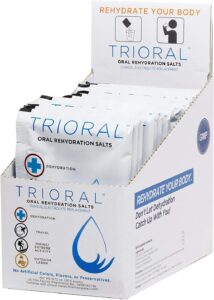
TRIORAL Electrolyte Powder Oral Reh…
Product description TRIORAL Oral Rehydration Salts • FAST REHYDRATION DRINK: Just mix one packet into one…
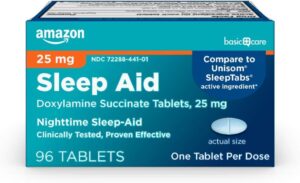
Amazon Basic Care Nighttime Sleep A…
Compare to Unisom SleepTabs active ingredient. Amazon Basic Care Sleep Aid Tablets are a nighttime sleep…

Loop Quiet 2 Ear Plugs – Ultr…
Product description Product Dimensions : 3.07 x 3.07 x 0.75 inches; 1.06 ounces Item…