
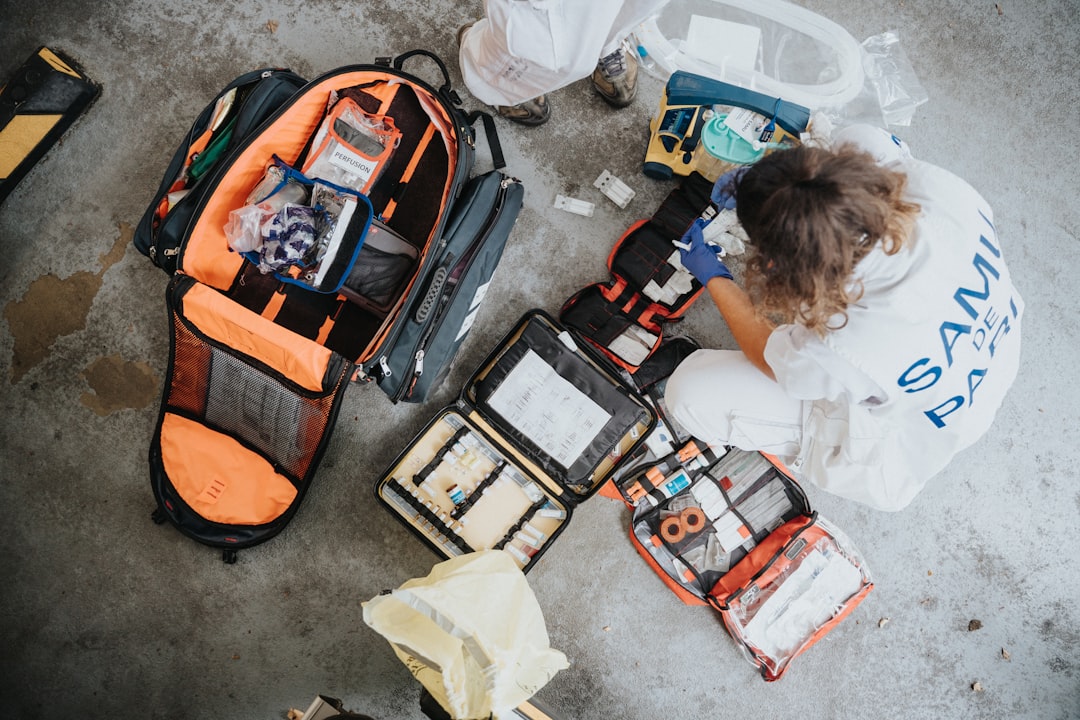
What to Keep in a Well-Prepared Home First Aid Kit
A well-stocked first aid kit is a small investment that pays off in readiness and peace of mind. Whether you live alone, with family, or have pets, the right supplies help you treat minor injuries quickly and decide when to seek professional care.
This guide lays out practical items to keep at home, how to organize them, and why each item matters. Use it to build a compact, usable kit and to refresh it seasonally.
Wound care essentials
Proper wound care prevents infection and speeds healing. Include sterile adhesive bandages in several sizes, sterile gauze pads, medical tape, disposable gloves, antiseptic wipes, and small scissors. For protecting wounds and preventing chafing, keep a small jar of Petroleum Jelly—it seals and soothes minor cuts and blisters and is useful for creating a moisture barrier over healing skin.
Pain relief, fever, and muscle cramps
Over-the-counter pain relievers (acetaminophen and a nonsteroidal anti-inflammatory like ibuprofen) are staples. Also include an oral thermometer and instant cold packs. For sudden muscle cramps—common with exercise or at night—consider adding a magnesium supplement you trust; it’s often used for occasional cramp relief and muscle relaxation. A reliable option to keep on hand is Pure Encapsulations Magnesium (Glyc…), stored separately from medications and labeled clearly.
Allergic reactions and breathing issues
Include non-sedating antihistamine tablets and a few doses of oral antihistamine liquid for children if applicable. If anyone in the home has severe allergies, ensure an epinephrine auto-injector is accessible and not expired. Keep emergency contact numbers and a list of known allergies near the kit. Do not rely solely on home remedies—seek emergency care for signs of anaphylaxis (difficulty breathing, swelling of face or throat, dizziness).
Sun, heat, and outdoor-specific care
If your household spends time outdoors or you live in a sunny climate, include items to handle sunburn, heat exhaustion, and insect stings. A broad-spectrum Sun Care product helps prevent burns; after exposure, cool-compress techniques and soothing lotions reduce discomfort. Include oral rehydration solutions and clear guidance on when to cool down and seek help for heat-related illness.
Digestive upset, nausea, and hydration
Diarrhea and mild foodborne illnesses are common. Keep oral rehydration packets for dehydration, anti-nausea medications if indicated for your family, and simple antidiarrheal medicine for adults. Probiotics can be helpful when you want a non-medication option to support gut recovery after an upset; consider adding a trusted Probiotic Supplements product to your supplies, especially if someone in the household travels frequently or uses antibiotics.
Skin issues: rashes, fungal infections, and gentle cleaning
Minor rashes, athlete’s foot, and jock itch may be treated with topical antifungals stocked in the kit. For fungal or yeast skin infections, include a targeted topical such as terrasil Clotrimazole Antifungal Cr…. For gentle cleansing of cuts and irritated skin, have mild soap on hand—plain bar soap works well for basic cleaning and is compact; keep a travel-sized Bar Soap in the kit.
Supplements and items that support recovery
Some non-prescription supplements can support healing and immune function when used responsibly. Vitamin C supports tissue repair and immune health, while zinc aids immune response and skin healing. Consider keeping small supplies of Vitamin C Supplements and Zinc Supplements in your household pantry for short-term use when appropriate. Always follow product dosing and consult care providers for chronic conditions or pregnancy.
Storage, maintenance, and personalization
Store your kit in a cool, dry, clearly labeled container placed in a central, easy-to-access location. Make a laminated checklist and attach it inside the lid. Check expiration dates every 6 months, replace used items promptly, and adapt contents to the ages and special needs (children’s dosing, medications for chronic conditions) of your household.
Quick First Aid Checklist
- Sterile adhesive bandages (various sizes)
- Sterile gauze, adhesive tape, elastic bandage
- Antiseptic wipes and mild soap
- Disposable gloves, small scissors, tweezers
- Pain relievers and fever reducers (adult and children options)
- Antihistamines and, if needed, epinephrine auto-injector
- Cold pack, instant heat pack, thermometer
- Oral rehydration packets and probiotics
- Topical antibiotic ointment, hydrocortisone, antifungal cream
- Petroleum jelly, sun care product, magnesium for cramps
- List of medical contacts, allergies, and current meds
FAQ
- How often should I check my first aid kit? Inspect contents every 6 months—check expiration dates, replace used items, and update medications and contact info.
- Can I store medications in the kit? Store only short-term OTC meds in a kit; keep daily prescription meds in their original labeled containers and in a controlled location per instructions.
- What should I include for children? Child-appropriate versions of pain relievers, oral rehydration solution, a pediatric thermometer, and dosing instructions. Keep choking hazards and small items out of reach.
- When should I seek professional care? Seek care for heavy bleeding, deep wounds, signs of infection, head injury with vomiting or confusion, difficulty breathing, or any severe or unusual symptoms.
- Are supplements necessary in a first aid kit? Supplements aren’t required but having short-term options like Vitamin C, zinc, probiotics, or magnesium can support recovery in some situations; use per labeling and medical guidance.
Conclusion
A practical home first aid kit balances basic medical supplies, a few targeted supplements or topical treatments, and clear instructions for use. Keep it organized, check it regularly, and tailor the contents to your household’s needs—small preparation makes quick responses simpler and safer.
Products Featured in This Article
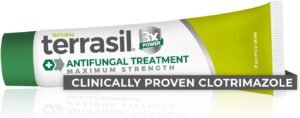
terrasil Clotrimazole Antifungal Cr…
Product description Find the Right Terrasil for You Add to Cart Add to Cart Add to…
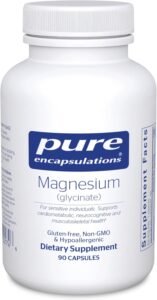
Pure Encapsulations Magnesium (Glyc…
Product description Add to Cart Add to Cart Add to Cart Add to Cart Customer Reviews…