
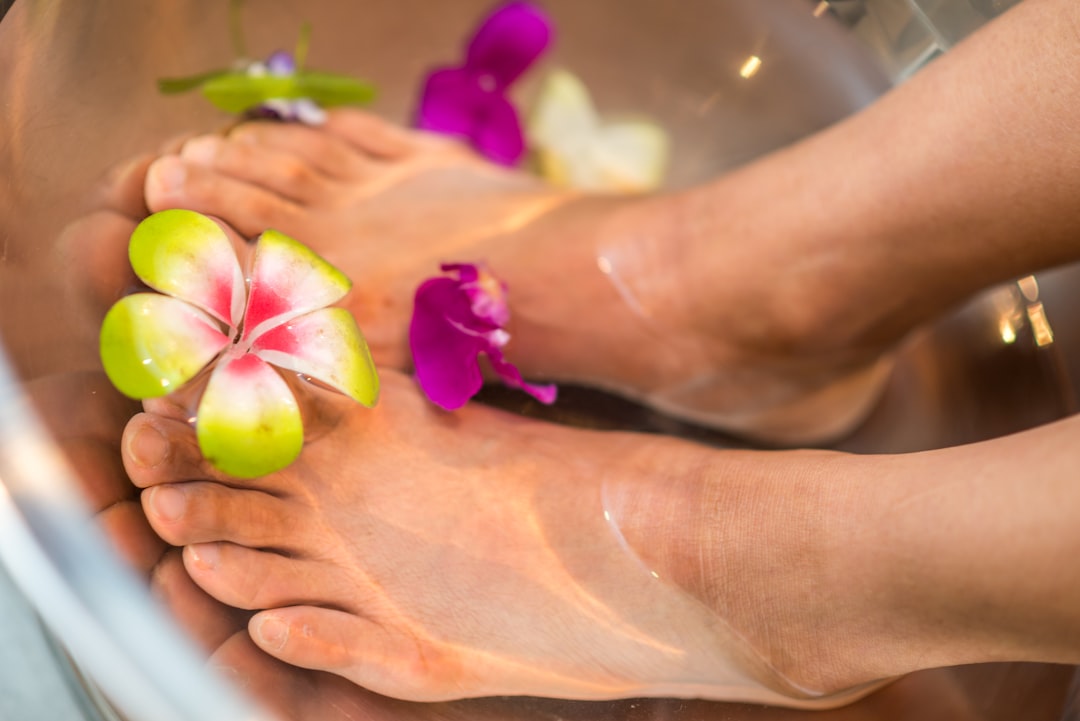
Healthy feet make daily life easier: they support balance, cushion movement and help you stay active. Simple, consistent habits—inspection, cleaning, proper footwear and timely care—prevent many common problems and keep discomfort to a minimum.
For supplies and practical products to support at-home care and recovery, check what’s available through EvePharmacy—it’s a helpful place to find basics that support a sensible foot-care routine.
Daily inspection and basic hygiene
Start each day with a quick visual and touch check of both feet. Look for cuts, blisters, redness, swelling, unusual warmth, or changes in nail color. Feel for hot spots that could become blisters and check between toes for trapped moisture or peeling skin. Early spotting of small problems makes simple treatments effective and prevents escalation.
Proper washing, drying and moisturizing
Wash feet daily with warm (not hot) water and mild soap. Rinse thoroughly and dry completely—especially between the toes—to limit fungal growth. Follow with a light, non-greasy moisturizer on the tops and soles (avoid heavy creams between toes). If you have very dry or cracked heels, apply an occlusive moisturizer at night and wear a clean pair of cotton socks for protection.
Nail care and callus management
Trim nails straight across with clean clippers to reduce ingrown nails; smooth sharp edges with an emery board. Don’t dig into or cut calluses aggressively—use a pumice stone gently after bathing to reduce thickness over time. If nails are thick, discolored or painful, seek professional care rather than attempting forceful at-home solutions.
Clothing, socks and moisture control
Choose breathable, moisture-wicking socks and rotate shoes to allow them to air. For people with bladder control challenges or limited mobility, managing overall hygiene and moisture is part of foot-health strategies; products like Allbase Incontinence Underwear can simplify care routines and reduce skin moisture that might otherwise aggravate infections.
Preventing injuries and fall risk at home
Preventing falls protects feet from sprains, fractures and prolonged pressure injuries. Make sure living spaces are well-lit, free of trip hazards and that rugs are secured. For people with hearing loss, maintaining reliable hearing-aid function improves balance and awareness; keeping fresh Duracell Hearing Aid Batteries on hand can reduce the chance of missed cues that might lead to a fall.
Rest, sleep and recovery habits
Allow tired or swollen feet time to recover. Elevate feet for 15–20 minutes after prolonged standing or strenuous activity to reduce swelling. Quality sleep promotes tissue repair; if noise interferes with rest, using disposable earplugs can improve recovery by helping you get uninterrupted sleep.
Detecting pregnancy and adjusting foot care
Pregnancy often brings swelling, fluid retention and changes in gait. Early detection helps you adjust footwear and activity: if you suspect pregnancy, confirm it promptly with a reliable test such as the First Response Early Result Pregnancy Test, then discuss foot-related symptoms with your care provider to adapt exercise and support choices safely.
Supplements and nutrition during pregnancy
Nutrition affects swelling, circulation and skin health. When pregnant or planning pregnancy, follow guidance from your care team about multivitamins and folate. For many people this includes a trusted prenatal formula; consider adding high-quality prenatal vitamins as directed by your provider to support overall well-being while you manage foot comfort and mobility.
Managing foot discomfort during periods and menopause
Hormonal changes can cause fluid retention and aching in the feet. For cyclical discomfort tied to menstruation, targeted symptom relief can help you stay active—look into trusted menstrual pain relief options and conservative measures like compression socks, elevation and gentle stretching. For longer-term hormonal shifts during perimenopause and menopause that affect circulation and joint comfort, consider lifestyle strategies alongside supportive supplements; products such as menopause support supplements may be discussed with your clinician as part of a broader symptom-management plan.
Checklist: quick daily foot-care actions
- Inspect feet for cuts, redness or swelling.
- Wash, dry thoroughly, and apply moisturizer (avoid between toes).
- Wear clean, breathable socks and rotate shoes daily.
- Trim nails straight across and file edges smooth.
- Elevate feet after long standing; apply ice for acute swelling.
- Use supportive footwear and consider orthotics for persistent pain.
- Seek professional care for wounds, persistent infections, or sudden severe pain.
When to see a professional
If you notice persistent redness, spreading warmth, open wounds that won’t heal, sudden numbness, or new changes in walking or balance, contact a healthcare professional. These signs can indicate infection, circulation issues, or nerve problems that need prompt assessment. For routine foot pain, a podiatrist or physical therapist can evaluate gait, recommend supports or exercises, and advise on safe self-care strategies.
FAQ
- How often should I moisturize my feet? Daily on dry areas and nightly for very dry heels; avoid applying between toes.
- Can I soak my feet every day? Short soaks (10–15 minutes) are fine a few times a week; prolonged soaking can dry skin and worsen some conditions.
- What shoes are best for everyday comfort? Supportive shoes with a stable heel, roomy toe box and good arch support; replace when cushioning is compressed or soles worn.
- Is it safe to use over-the-counter antifungal treatments? Many are effective for athlete’s foot when used as directed; if symptoms worsen or persist beyond recommended use, see a clinician.
- Why are my feet swelling in pregnancy? Fluid retention and increased blood volume are common; elevation, compression hosiery and discussing activity modifications with your provider help manage swelling.
- When are home remedies not enough? If a wound is not healing, an infection seems likely, or sensation and mobility are changing, get professional care promptly.
Practical takeaway: commit to a short daily routine—inspect, clean and moisturize—choose supportive footwear, and act early on changes. Small, consistent habits protect comfort and mobility over the long term.
Products Featured in This Article
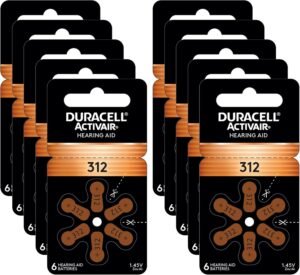
Duracell Hearing Aid Batteries Size…
DURACELL is a global marketer of hearing aid batteries. When you need reliable, long lasting power…

Allbase Incontinence Underwear for …
Product description Package Dimensions : 9.49 x 6.89 x 2.2 inches; 8.15 ounces Department…

Stonehenge Health Menopause Support…
Product description Package Dimensions : 4.41 x 2.24 x 2.24 inches; 2.4 ounces Item…

Garden of Life Once Daily Whole Foo…
Garden of Life Men’s Multivitamin delivers comprehensive nutrition in one convenient daily tablet. This organic multivitamin,…
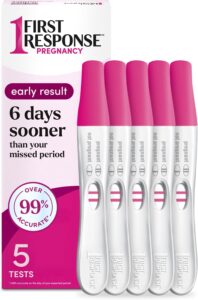
First Response Early Result Pregnan…
When asking yourself, “Am I Pregnant?”, the earlier you know, the better. Featuring First to Detect™…