
Important Health and Wellness Habits for Women at Every Life Stage
Women’s bodies and needs change across the decades. Small, consistent habits build resilience, reduce risk, and make daily life easier—whether you’re a teen, planning a family, a new parent, or navigating menopause.
This guide breaks key habits into life stages and offers practical actions and resources you can apply now. Wherever you are, pick one small change this week and stick with it.
Adolescence and Young Adulthood: Build Foundations
Focus on sleep, nutrition, good hygiene, and learning how your cycle works. Track periods to spot irregularities and plan activities around energy patterns. For everyday menstrual needs, high-quality products matter—consider comfortable, reliable protection like The Honey Pot Company 100% Organic Cotton Tampons to reduce irritation and improve comfort.
Reproductive Planning: Know Your Cycle and Options
If you’re trying to conceive or avoid pregnancy, accurate tracking tools and timely testing simplify decisions. For detecting fertile windows, digital ovulation tests reduce guesswork. Consider a reliable kit like the Clearblue Advanced Digital Ovulation Test to identify peak fertility days.
Early Pregnancy and Prenatal Care
Once pregnant, prioritize prenatal visits, balanced nutrition, folate, and low-impact exercise. Begin folic acid and prenatal supplementation early—daily prenatal vitamins support fetal development and maternal health. Look for trusted options such as recommended Prenatal Vitamins and follow dosing instructions on the label.
Postpartum and New Parenthood
Recovery after childbirth is physical and emotional. Rest when possible, accept help, and maintain nutrient-rich meals to support healing and breastfeeding. Postnatal multivitamins can help fill gaps during recovery and nursing—consider options like NATURELO Postnatal Multivitamin as part of a balanced approach, and pair supplementation with regular check-ins with your provider.
Reproductive Years: Cycle Comfort and Pain Management
Menstrual symptoms vary; track patterns and treat pain proactively. Non-pharmacologic steps—heat, light exercise, and adequate sleep—help, and over-the-counter medications are effective when needed. For reliable symptom control consider products formulated for period pain relief such as Pamprin Multi-Symptom Formula. Also explore alternatives like period underwear and scheduling choices to reduce stress during heavy days.
Perimenopause and Menopause: Manage Symptoms and Bone Health
The transition to menopause brings changes in cycles, sleep, mood, and temperature regulation. Lifestyle measures—strength training, calcium and vitamin D, stress management, and consistent sleep—reduce long-term risks. For symptom relief and targeted support, some women find benefit from supplements designed for this stage; products such as Stonehenge Health Menopause Support may be worth discussing with your clinician.
Midlife and Beyond: Hearing, Vision, and Oral Care
Midlife often brings new sensory needs. Regular hearing checks, vision exams, and dental care maintain independence and quality of life. If you use hearing aids, keep fresh batteries and maintain devices—ready supplies like Duracell Hearing Aid Batteries Size 312 avoid interruptions. For contact lens wearers, follow lens-care routines and replace solutions on schedule to prevent irritation. Prioritize routine screenings: early detection helps prevent progression of common age-related conditions.
Daily Habits That Matter at Any Age
Some practices benefit every life stage: balanced meals with protein and fiber, 150 minutes of moderate activity weekly, quality sleep, stress-reduction techniques, and staying current with preventive screenings (reproductive, bone density, mammograms, and routine labs as recommended). Hydration, sun protection, and consistent oral hygiene complete the basics.
Small Practical Strategies to Implement Today
- Set one weekly habit—e.g., 30 minutes of brisk walking three times per week—and track it.
- Use one reliable product for a specific need (period protection, prenatal/postnatal vitamins, ovulation or pregnancy testing).
- Schedule preventive appointments quarterly or semiannually as appropriate for your age.
- Prepare a simple symptom log for periods, mood, sleep, or hot flashes to share with providers.
- Keep an “at-home” kit: pain-relief meds, heating pad, spare tampons or pads, and basic supplements.
Checklist: Healthy Habits by Stage
- Adolescence: Track cycle, prioritize sleep, choose gentle menstrual products.
- Family planning: Use ovulation testing if trying to conceive (Clearblue Advanced Digital Ovulation Test).
- Pregnancy: Start prenatal vitamins early; confirm pregnancy with a reliable test (First Response Early Result Pregnancy Test).
- Postpartum: Rest, nutrient-dense foods, and consider postnatal vitamins (NATURELO Postnatal Multivitamin).
- Periods: Stock effective pain relief like Pamprin Multi-Symptom Formula for symptom days.
- Menopause: Monitor bone health and symptom management; consider targeted support (Stonehenge Health Menopause Support).
- Midlife: Keep hearing aid batteries handy (Duracell Hearing Aid Batteries Size 312), and maintain vision and dental checkups.
FAQ
- How often should I get preventive screenings? Follow age-based recommendations from your healthcare provider; many women have annual checkups and specific screenings (e.g., cervical screening, mammograms) timed by age and risk.
- When should I start prenatal vitamins? Start before conception if possible and continue through pregnancy; folate is most critical in early weeks when many pregnancies are still undetected.
- Are over-the-counter pain relievers safe for menstrual cramps? Many OTC options provide effective relief when used as directed. If pain is severe or unusual, seek medical evaluation rather than relying on medication alone.
- What lifestyle changes help with hot flashes? Layered clothing, cooling strategies, regular exercise, and stress reduction help; discuss therapeutic options with your clinician if symptoms affect daily life.
- How do I know if hearing loss needs evaluation? If you frequently ask others to repeat themselves, raise volumes noticeably, or miss conversations, schedule a hearing check—early assessment preserves communication.
Conclusion
Health at every stage is built from consistent, practical habits: good sleep, movement, balanced nutrition, timely screenings, and appropriate products to manage life-stage needs. Pick one manageable change this week—track it, and build from there. Small, steady actions add up to lasting wellness.
Products Featured in This Article
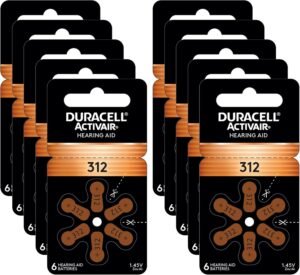
Duracell Hearing Aid Batteries Size…
DURACELL is a global marketer of hearing aid batteries. When you need reliable, long lasting power…
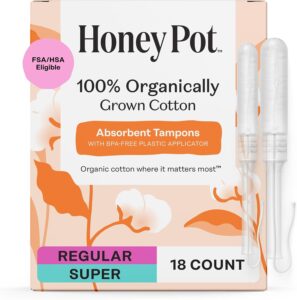
The Honey Pot Company – 100% …
Product description The video showcases the product in use.The video guides you through product setup.The video…
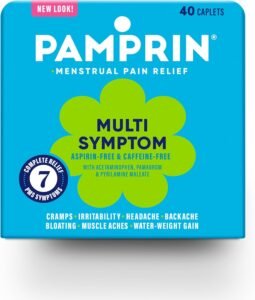
Pamprin Multi-Symptom Formula, with…
Pamprin Multi-Symptom Menstrual Pain provides relief of PMS and period cramps to help you feel better…
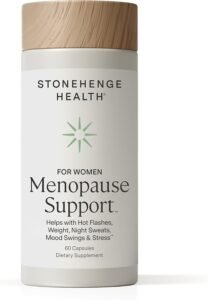
Stonehenge Health Menopause Support…
Product description Package Dimensions : 4.41 x 2.24 x 2.24 inches; 2.4 ounces Item…
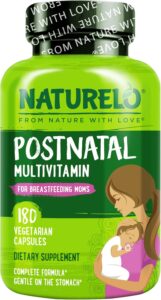
NATURELO Postnatal Multivitamin …
Product description NATURELO has a unique approach to formulating our supplements — we always use the…
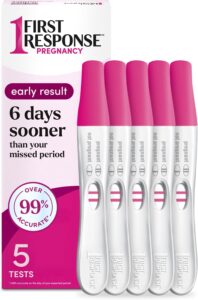
First Response Early Result Pregnan…
When asking yourself, “Am I Pregnant?”, the earlier you know, the better. Featuring First to Detect™…
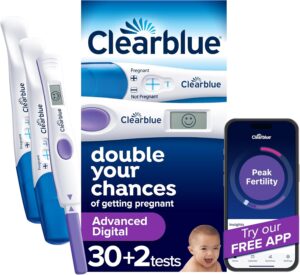
Clearblue Advanced Digital Ovulatio…
To calculate the overall star rating and percentage breakdown by star, we don’t use a simple…