
Introduction
Hot and cold therapy are two of the simplest, most effective tools for managing everyday aches and pains. Whether you pulled a muscle carrying groceries, woke up with a stiff neck, or are dealing with period cramps, knowing how and when to use heat or cold can speed comfort and help you stay active.
This guide explains practical, evidence-based ways to use hot and cold therapy safely, plus sensible adjuncts you can consider for faster recovery. Simple precautions and clear timelines make these methods safe for most people when used correctly.
What are hot and cold therapy?
Cold therapy (cryotherapy) reduces blood flow and numbs pain; it’s best in the first 24–72 hours after an acute injury to limit swelling. Heat therapy (thermotherapy) increases blood flow, relaxes tight muscles, and eases stiffness. Both work by changing circulation and nerve signals, but they suit different stages of injury and types of discomfort.
When to use heat vs. cold
Use cold when you have a new injury, sharp pain, swelling, or bruising. Use heat for chronic stiffness, sore muscles, tension, and before activity to loosen tissues. For inflammatory conditions like osteoarthritis, some people benefit from a combination of approaches and lifestyle supports such as anti-inflammatory nutrition and supplements like Omega 3 and Fish Oil to support long-term joint comfort.
How to apply hot and cold safely
Safety rules reduce the risk of burns, frostbite, or rebound swelling:
- Always wrap ice or heat packs in a thin towel—never apply directly to skin.
- Limit sessions to 15–20 minutes, then remove for at least 30–60 minutes before repeating.
- Check skin every few minutes for excessive redness, numbness, or pain.
- For persistent muscle cramps consider both topical therapy and systemic supports such as Magnesium Supplements, which many people find helpful for cramp-prone muscles.
Hot and cold therapy for common complaints
Muscle strains and sprains
First 48–72 hours: apply cold for 15–20 minutes every 2–3 hours to reduce swelling and pain. After the acute phase, switch to heat to encourage blood flow and flexibility. Light movement, gradual stretching, and avoiding complete immobilization will support recovery.
Arthritis and chronic joint pain
Chronic joint pain responds differently than acute injury. Heat before activity can ease stiffness, while cold after heavy use can reduce soreness. In addition to topical therapies, some people include targeted supplements to support joint health and mitochondrial energy, such as CoQ10 Supplements, though responses vary.
Menstrual cramps and pelvic discomfort
Heat is often the most soothing remedy for period cramps because it relaxes uterine and pelvic muscles. A warm pack applied to the lower abdomen for 15–20 minutes can bring quick relief. If cramps are frequent or severe, consider product-based support in addition to topical heat; explore options in our Menstrual Pain Relief collection for tailored solutions.
Headaches and tension
Tension headaches often respond well to heat applied to the neck and shoulders to relax tight muscles. Cold packs on the forehead or temples can help migraine-type pain for some people. Use whichever feels most relieving, and avoid extreme temperatures near the eyes.
Practical combinations and when to use medication or supplements
Hot and cold therapy are most effective when paired with sensible activity, gentle stretching, and, when appropriate, short-term over-the-counter medication. For menstrual symptoms, an OTC analgesic can be combined with heat—see product options like Pamprin Multi-Symptom Formula for multi-symptom relief. For muscle recovery and cramp-prone individuals, nutritional supports such as magnesium (linked above) and anti-inflammatory omega-3s can assist alongside topical therapy.
Special populations and precautions
Certain people need extra caution:
- Pregnant or nursing people: generally safe to use warm packs on the body for muscle or back pain, but avoid high heat on the abdomen and consult your healthcare provider. If you are pregnant and tracking prenatal nutrition, consider routine supports like Prenatal Vitamins as part of overall care.
- Children, older adults, people with reduced sensation (diabetes, neuropathy), or poor circulation should use milder temperatures and shorter sessions and consult a clinician before regular use.
- If there’s an open wound, infection, or known vascular disease, avoid hot packs over the area and seek medical advice.
Menstrual, postpartum, and hygiene considerations
During your period or postpartum recovery, hot and cold therapy can be adapted to comfort and practicality. Small reusable heat packs or warm water bottles work well for cramps. If you’re managing period flow at the same time, pair topical care with appropriate menstrual products like Tampons or leak-protection options such as Period Underwear. Postnatal people may also want to consider targeted postnatal nutritional supports and consult postpartum resources for recovery timelines.
Quick checklist
- Cold for new injuries and swelling (15–20 minutes, every 2–3 hours).
- Heat for stiffness and chronic soreness (15–20 minutes; avoid high temperatures).
- Always use a barrier between pack and skin; check skin often.
- Avoid extreme temperatures near eyes, open wounds, or loss of sensation.
- Combine therapy with gentle movement, stretching, and sensible supplements or OTCs when appropriate.
FAQ
- Can I alternate heat and cold? Yes—alternating can help after the initial swelling phase. A common approach is 10–15 minutes cold, 10–15 minutes heat, with rest between cycles. Adjust based on comfort.
- How long before heat or cold should I see improvement? You may feel short-term relief immediately; meaningful recovery depends on the condition. If symptoms persist beyond a week or worsen, seek medical advice.
- Are hot baths as effective as heat packs? Warm baths provide broad, gentle heat for muscle relaxation and are a safe option for many people, but avoid very hot water and prolonged soaking if you have cardiovascular concerns.
- Is it safe to use heat or cold every day? For chronic issues, yes with precautions: use moderate temperatures, limit sessions, and monitor skin. If in doubt, consult your healthcare provider.
- Should I use topical creams along with heat/cold? Some warming or cooling topical products can enhance relief; avoid combining with extreme heat and follow product directions.
Conclusion
Hot and cold therapy are low-risk, high-value tools you can use at home for many everyday aches. Use cold for new injuries and swelling; use heat for stiffness and chronic soreness. Keep applications safe—wrap packs, limit time, monitor skin—and consider supportive measures such as supplements, hygiene products, or targeted medications when appropriate. If pain is severe, recurrent, or accompanied by worrying signs, check with a healthcare professional for personalized care.
Products Featured in This Article
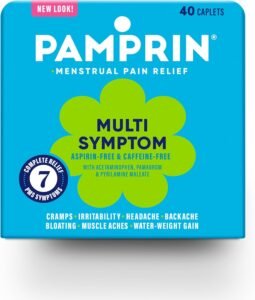
Pamprin Multi-Symptom Formula, with…
Pamprin Multi-Symptom Menstrual Pain provides relief of PMS and period cramps to help you feel better…
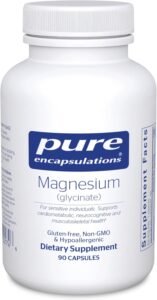
Pure Encapsulations Magnesium (Glyc…
Product description Add to Cart Add to Cart Add to Cart Add to Cart Customer Reviews…
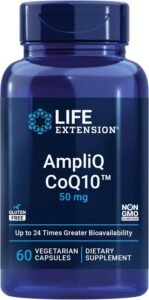
Life Extension AmpliQ CoQ10, Heart …
Meet AmpliQ CoQ10™: our most advanced CoQ10 formula ever. CoQ10 supports heart and cellular energy, helps…
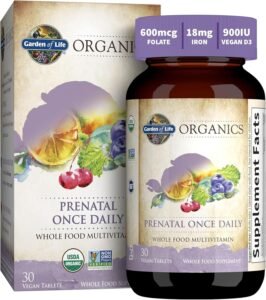
Garden of Life Organics Prenatal On…
Designed for expectant mothers seeking comprehensive support, Garden of Life Organics Prenatal Once Daily is a…