
How to Store Home Health Tests and Medical Supplies Properly
Keeping home health tests and medical supplies organized and stored correctly protects their accuracy and extends their usable life. Whether you have pregnancy tests, supplements, wound care, or small medical devices, a few simple habits prevent wasted products and reduce risk.
This guide walks through practical steps to sort, store, and maintain common items you keep at home, from temperature-sensitive supplements to delicate diagnostic kits.
Why proper storage matters
Many home health items are sensitive to light, temperature, humidity, and contamination. A test that’s been swollen by moisture can give a false result; a supplement exposed to heat can oxidize and lose potency. Simple storage habits help preserve effectiveness and keep supplies safe to use.
For a one-stop shop on trusted products and replacement items, see EvePharmacy to compare storage instructions from manufacturers and pick supplies designed for home use.
Sort and categorize supplies
Create zones for different types of items: diagnostics (tests), medications and supplements, wound care and first-aid, and personal-care products. Use clear bins or labeled shelves so items don’t get mixed and you can quickly find expiration dates.
Keep menstrual and personal-care products together in an easily accessible place; if you store pads or wipes near tests, mark the container clearly. For inspiration on product types, check Feminine Hygiene items to see how manufacturers package and label their products for storage.
Control temperature and humidity
Many items need a cool, dry environment. Avoid bathrooms, laundry rooms, and garages where humidity and temperature fluctuate. Aim for a cabinet or closet away from direct sunlight and heating vents.
Probiotic and live cultures are particularly sensitive to heat and moisture. Store these according to the label—some formulations require refrigeration or a consistently cool, dry spot. Review specific recommendations for Probiotic Supplements before deciding where to keep them.
Protect from light, air and heat
Oxygen and UV light accelerate degradation for many supplements and test reagents. Keep bottles tightly closed and in their original opaque containers when possible. Use small airtight containers or resealable bags for opened blister packs to limit exposure.
Fat-soluble and easily oxidized products like fish oil and some vitamins should be stored away from heat and sunlight to prevent rancidity. If you keep products like Omega 3 and Fish Oil, follow label guidance and check for off odors before use.
Storing home diagnostic tests
Pregnancy tests, ovulation kits, and rapid antigen or glucose strips have precise storage ranges and expiration dates. Store kits in their sealed packaging and avoid crushing or bending test strips. If a kit has been exposed to moisture or extreme temperatures, discard it—results may be unreliable.
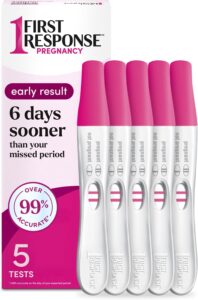
If you regularly keep pregnancy or early-detection kits at home, consider stocking a trusted brand and rotating by expiration date. For example, many households prefer a tested option like First Response Early Result Pregnancy Test and keep them in a stable, dry cabinet.
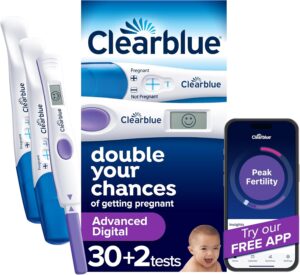
Ovulation kits also have storage requirements; keep unopened packages away from heat and use within the manufacturer’s recommended timeframe. Popular options include the Clearblue Advanced Digital Ovulation Test Kit, which should be stored according to its printed instructions to maintain accuracy.
Small devices and accessories: care and storage
Hearing aids, glucometers, thermometers, and similar devices need dry storage and regular cleaning to function reliably. Keep devices in their cases when not in use and store batteries separately if you won’t be using a device for an extended period.
Accessories like wax guards, cleaning tools, and tiny replacement parts are easy to lose; use small labeled containers so you don’t misplace them. If you or a family member use hearing devices, keep a kit of spare parts and maintenance supplies such as Hearing Aid Cleaning Supplies together in a designated drawer.
Breastfeeding and baby supplies
Pumps, milk storage bottles, and accessories need careful cleaning and dry storage between uses. After washing and sterilizing, air-dry parts completely before assembling or storing to avoid mold.
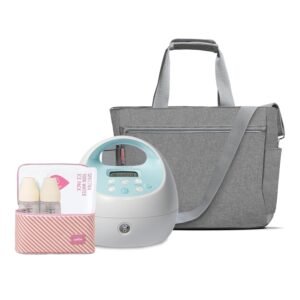
If you own an electric pump, store cords and small pieces in labeled bags and check the manufacturer’s storage and maintenance tips for the model. For parents who rely on reliable pump gear, the Spectra Baby S1 Plus Premier Portable Electric Breast Pump is an example of a device with multiple parts that benefit from a consistent cleaning-and-storage routine.
Organize emergency and first-aid kits
Keep a compact first-aid kit stocked with bandages, antiseptic wipes, scissors, and a few basic medications in a labeled container. Store your home’s primary kit in a known, easily accessible place and keep smaller kits for travel or the car. Rotate contents periodically and discard anything past its expiration or that shows signs of contamination.
- Know where each kit is stored and label the outside with contents and last-check date.
- Store medications that require refrigeration in a labeled container inside the fridge, with a thermometer nearby.
- Keep a log or checklist on the inside lid so you can quickly note single-use items that need replenishing.
Quick checklist for proper storage
- Sort supplies into categories and label containers.
- Store in cool, dry places—avoid bathrooms and garages.
- Keep items in original packaging when possible and check expiration dates monthly.
- Close lids tightly and use airtight bags for opened packages.
- Clean and fully dry reusable device parts before storing.
- Keep a small thermometer in storage areas for sensitive items.
- Dispose of compromised or expired tests, strips, and medications safely.
Frequently asked questions
-
How long can diagnostic tests be stored?
Follow the manufacturer’s expiration date printed on the package; unopened tests often last months to years if kept within the recommended temperature range. Do not use a test that has been visibly damaged or exposed to moisture.
-
Do supplements need refrigeration?
Most do not, but some probiotics and specialized formulas may. Check the label—if refrigeration is required, store them in a refrigerator drawer away from moisture sources.
-
Can I store medical devices in the bathroom cabinet?
Bathrooms are typically humid and not ideal. Choose a dry cabinet or drawer away from heat sources to prevent corrosion, mold, and battery issues.
-
How should I store opened blister packs or single-dose strips?
Keep them in their original foil or in small airtight containers, and mark the date opened so you can track shelf life.
-
What if a supplement smells off or looks discolored?
Discard it. Odor change or discoloration suggests oxidation or contamination; do not continue using products that seem degraded.
Conclusion
Routine organization, correct temperature and humidity control, and following manufacturer instructions are the core steps to keep home health tests and medical supplies reliable. Implement the checklist above and schedule a monthly quick-review—small regular checks prevent big problems and save time when you need a product to work correctly.
Products Featured in This Article
First Response Early Result Pregnan…
When asking yourself, “Am I Pregnant?”, the earlier you know, the better. Featuring First to Detect™…
Clearblue Advanced Digital Ovulatio…
To calculate the overall star rating and percentage breakdown by star, we don’t use a simple…
Spectra Baby S1 Plus Premier Portab…
Product description Breastfeeding Essentials: Spectra S1 portable breast pump features comfortable suction pump levels that mimic…