
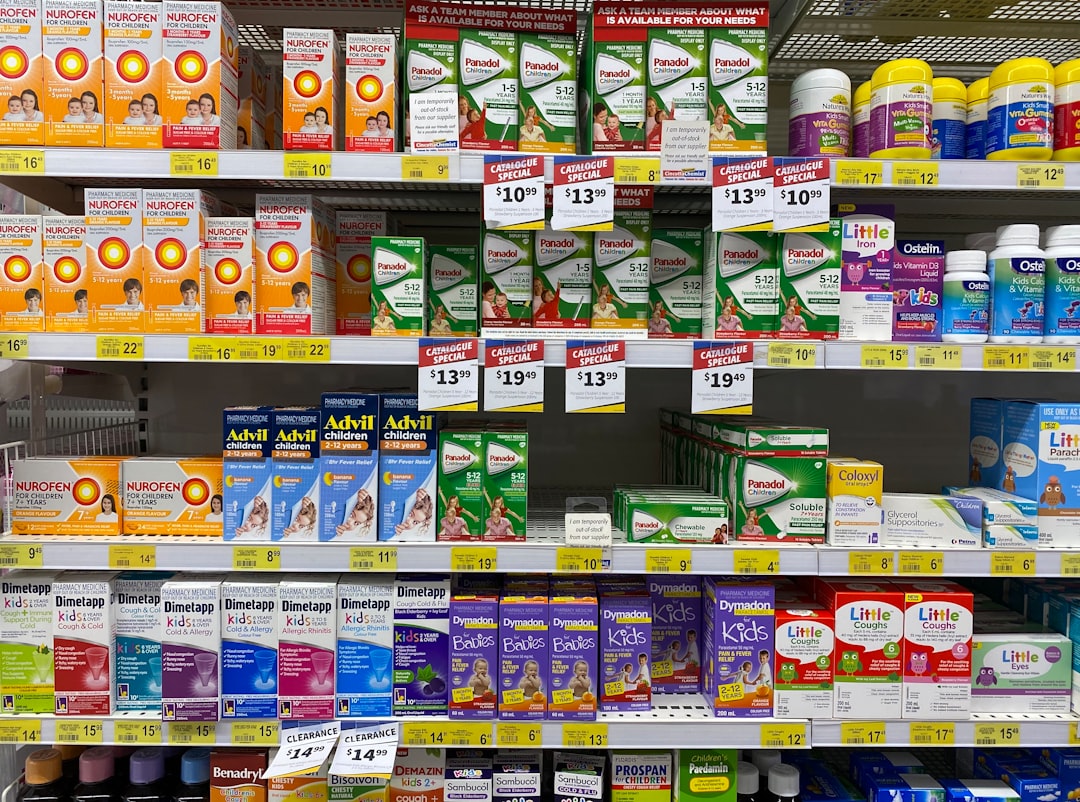
EvePharmacy presents a practical guide to reading over-the-counter (OTC) medicine labels so you get the relief you need without surprises. Whether you’re grabbing pain relief, allergy meds, or a cough suppressant, a few minutes with the label can prevent mistakes and uncomfortable interactions.
This post walks through the label elements that matter most, explains common red flags, and shows how supplements you already take can change what an OTC will do for you.
Read the Drug Facts panel first
The Drug Facts box is the single best place to start. It lists the active ingredient(s), what the product is meant to do, dosage, and key warnings. If you shop for alternatives or different strengths, compare the active ingredient names and milligrams so you’re comparing like with like. For a convenient place to find OTCs and related supplements, browse EvePharmacy to see examples of labels and product formats.
Active ingredient vs. purpose: match symptom to chemistry
Labels show the active ingredient and its purpose (e.g., acetaminophen — pain reliever/fever reducer). Don’t pick a product by brand alone: many different brands can contain the same active ingredient at different strengths. Some OTCs add specialized actives—like zinc formulations for lozenges—so check the active ingredient before you assume it will help a specific symptom. If you use or consider zinc products, review their label carefully and compare to reliable options such as Zinc Supplements.
Dosage, strength and timing: do the math
Labels tell you the amount of active ingredient per dose (e.g., 500 mg per tablet) and maximum allowed in 24 hours. Calculate how many pills or milliliters equals the recommended single dose and the daily maximum. If you’re already taking vitamin or mineral supplements with specific dosing schedules, keep those gaps in mind—high-dose vitamins can alter how you should take some OTCs. For vitamin dosing references and safe options, see categories like Vitamin D Supplements.
Warnings, contraindications and when to avoid a product
Read the warnings section every time. It lists medical conditions or other medications that make the OTC unsafe. For example, some drugs advise caution with blood-thinning prescriptions. If you or a family member use supplements that affect clotting, such as vitamin K–related regimens, double-check the label and ask a pharmacist before combining therapies; learn more about Vitamin K Supplements.
How OTCs interact with common supplements
Supplements are widely used and can change how OTC medicines behave. Some common interactions to watch for:
- Omega-3 fish oil can have a mild blood‑thinning effect. If you take high-dose fish oil, verify bleeding warnings on pain relievers and anti-inflammatories; see examples at Omega 3 and Fish Oil.
Special populations: kids, pregnant people, and older adults
Labels include separate dosing or restrictions for children and pregnancy. Never assume adult doses scale down by weight—refer to the pediatric dosing section or use a product specifically labeled for children. Pregnant people should pay special attention to iron and folate needs and medication warnings; prenatal and pregnancy-related needs often include iron supplementation—see options like Iron Supplements when discussing overall medication plans with a clinician.
Storage, expiration, and special handling
Storage instructions (room temperature, refrigeration) and expiration dates affect potency. Some products—especially live cultures—lose effectiveness unless refrigerated or stored per label directions. If you take probiotic supplements, notice how labels specify storage and expiration to keep benefits intact; check product details at Probiotic Supplements. Dispose of expired or discolored medicines safely per local guidance.
Spotting adverse effects on the label and what to do
Side effects and possible allergic reactions are listed on every OTC. If a label lists dizziness, severe drowsiness, or breathing difficulty as a possible reaction, stop taking the product and seek care if symptoms are serious. Some active ingredients can cause gastrointestinal upset or diarrhea—minerals like magnesium in high doses are common culprits—so check the label if you are sensitive and consider alternatives such as items found in Magnesium Supplements when evaluating side‑effect profiles.
Quick checklist: what to verify on every OTC label
- Active ingredient name and strength per dose
- Indicated use (pain, cough, allergy, etc.) and age recommendations
- Recommended dose and maximum per 24 hours
- Warnings for conditions, medications, pregnancy, and allergies
- Possible interactions with your supplements (e.g., iron affects absorption of some antibiotics)
- Storage instructions and expiration date
- Manufacturer contact information for questions
FAQ
Q: Can I take more than the recommended OTC dose if my symptoms persist?
A: No. Follow the label’s maximum daily dose and consult a healthcare professional if symptoms do not improve.
Q: Are supplements on labels treated the same as OTC drugs?
A: No. Supplements have different regulations, but they can still interact with OTC drugs. For digestive management and fiber-related absorption concerns, check timing when taking Fiber Supplements.
Q: How do I know if an OTC will interfere with a prescription?
A: Look for warnings about interactions; when in doubt, ask a pharmacist. Common problems include bleeding risk and reduced effectiveness of other drugs.
Q: Can lozenges or topical OTCs interact with my supplements?
A: Yes. Even topical or localized products may have systemic effects or additives that interact—zinc lozenges are a good example; compare labels and consult product details as needed.
Q: Is it safe to mix OTC antacids or laxatives with mineral supplements?
A: Antacids can change how minerals are absorbed; magnesium-containing laxatives can cause diarrhea or interact with medications. If you take mineral supplements regularly, such as Magnesium Supplements, check timing and dose recommendations on both labels.
Conclusion — practical takeaway
Make label reading a habit: check the active ingredient, dose, warnings, and interactions before you take any OTC. Keep a current list of your prescription and supplement items so label comparisons are quick. When labels are unclear or your situation is complex, ask a pharmacist for specific guidance to avoid preventable problems.