
How to Protect Your Ears and Support Better Ear Hygiene
Healthy ears are essential for communication, balance and quality of life. Simple daily habits and the right tools can reduce the risk of hearing damage, painful blockages and infections.
Below we outline practical, evidence-based strategies for ear hygiene and protection, with product and category suggestions to help you take action safely. For a broad selection of related products, visit EvePharmacy.
How your ears work: a quick primer
The ear has three parts: outer, middle and inner. Earwax (cerumen) is produced in the outer ear canal to trap dust, lubricate the skin and provide a barrier against microbes. Normally it moves outward on its own. Understanding this natural process helps you avoid over-cleaning or causing injury.
Why earwax is useful — and when to intervene
Earwax protects the ear canal and typically doesn’t need removal. Intervention is only necessary when wax causes symptoms such as hearing loss, fullness, pain, ringing, or if you frequently wear hearing aids or earplugs and experience buildup.
If you decide to remove excess wax at home, use purpose-built tools rather than improvised instruments. An at-home option designed for safe removal can help when used correctly: Ear Wax Removal Tool, Ear Cleaning …
Safe ear-cleaning methods
Follow these safe practices for cleaning ears:
- Wipe the outer ear with a warm, damp cloth after showering—no objects inside the canal.
- For symptomatic wax buildup consider irrigation or a professional cleaning. Use products made for ear irrigation rather than syringes or pointed instruments: Ear Irrigation Products.
- Avoid ear candles; they are ineffective and can cause burns or blockages.
Avoid common cleaning mistakes
Cotton swabs are marketed for ear hygiene but they push wax deeper, increase risk of perforation, and can compact cerumen. Never insert sharp or pointed objects into the canal. If you feel pressure or pain when cleaning your ears, stop and seek professional care.
Protect your ears from noise damage
Noise-induced hearing loss is cumulative and preventable. Whenever you are exposed to loud environments—concerts, loud workplaces, motor sports, or prolonged headphone use—use hearing protection to reduce sound exposure.
Basic foam or reusable plugs can make a big difference. Shop general options here: Disposable Earplugs.
For frequent or shared use, bulk packs are economical and convenient. One example is a high-NRR foam pair sold in bulk: AZEN 100 Pairs Ear Plugs Bulk, NRR …
Caring for hearing aids and personal audio devices
Hearing aids are precision devices that require routine cleaning and maintenance. Regular external cleaning prevents cerumen build-up, preserves sound quality and reduces the risk of feedback or infection.
Use dedicated supplies for hearing aid maintenance—brushes, swabs and cleaning solutions designed for electronics preserve function and avoid damage: Hearing Aid Cleaning Supplies.
Replace batteries as recommended. Fresh batteries help maintain reliable amplification and prevent sudden power loss: Duracell Hearing Aid Batteries Size…
For in-ear receivers and custom tips, use compatible wax guards and filters to block cerumen before it reaches delicate components. If your device uses mini-receivers, replacements and guard kits such as for Siemens/Signia 2.0 MiniReceiver… can extend service life and improve performance.
When to see a healthcare professional
Seek professional care if you experience any of the following:
- Sudden or significant hearing loss.
- Pain, drainage, dizziness, or bleeding from the ear.
- Persistent tinnitus (ringing) that interferes with sleep or daily life.
- Repeated infections, fever, or symptoms that don’t improve with basic home care.
A trained clinician can safely remove impacted wax, assess middle-ear issues, and recommend hearing tests or treatment as needed.
Daily habits that support ear health
Small, consistent habits reduce risk and support long-term ear health:
- Keep ears dry: dry gently after swimming or showering to reduce infection risk.
- Limit volume: follow the 60/60 rule—no more than 60% volume for no more than 60 minutes at a time on personal audio devices.
- Use hearing protection in noisy environments and during loud hobbies.
- Maintain general health—manage blood pressure, avoid smoking and control diabetes—these factors influence hearing over time.
Checklist: Quick ear-care action items
- Do: Wipe outer ear with a cloth; avoid inserting objects into ear canal.
- Do: Use certified ear irrigation products if advised by a clinician.
- Do: Wear ear protection in loud settings; carry spare plugs or earmuffs.
- Don’t: Use cotton swabs or ear candles inside the ear canal.
- Don’t: Delay care for pain, discharge, sudden hearing changes or dizziness.
- Do: Keep hearing aid accessories and batteries on hand and clean devices regularly.
Frequently Asked Questions
- How often should I clean my ears?
For most people, external wiping after bathing is sufficient. Clean inside the canal only when symptoms arise or on advice from a clinician.
- Are ear irrigation kits safe?
When used per instructions or under professional guidance, irrigation kits designed for ears can be safe. Avoid home irrigation if you have a perforated eardrum, ear tubes or recent ear surgery.
- How do I know if earwax is impacted?
Signs include reduced hearing, fullness, itching, odor, or ear discomfort. A clinician can confirm with an otoscope and recommend removal options.
- Can noise exposure cause immediate hearing loss?
Yes—very loud noises (e.g., explosions, gunshots) can cause immediate damage. Repeated moderate exposures lead to cumulative loss. Use hearing protection and limit exposure time.
- How should I care for hearing aids daily?
Wipe devices daily, inspect for wax, store them dry overnight, replace batteries as recommended, and use manufacturer-approved cleaning tools and wax guards.
Conclusion — practical takeaway
Protecting your ears combines sensible daily habits, avoidance of risky cleaning behaviors, and using the right products when needed. For routine protection use proper earplugs in noisy situations, keep hearing aids and accessories clean, and consult a clinician for persistent symptoms. Thoughtful, simple steps preserve hearing and reduce preventable problems over a lifetime.
Products Featured in This Article
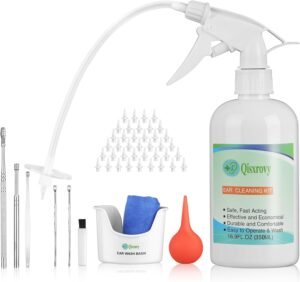
Ear Wax Removal Tool, Ear Cleaning …
Product description Ear wax buildup and blockage can cause partial hearing loss and general discomfort. It…
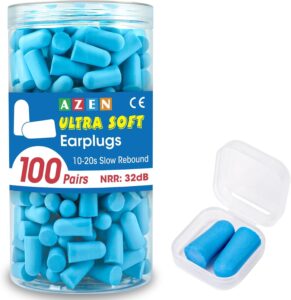
AZEN 100 Pairs Ear Plugs Bulk, NRR …
Product description Ear plugs for sleeping noise cancelling Add to Cart Add to Cart Add to…
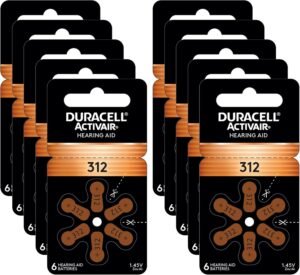
Duracell Hearing Aid Batteries Size…
DURACELL is a global marketer of hearing aid batteries. When you need reliable, long lasting power…
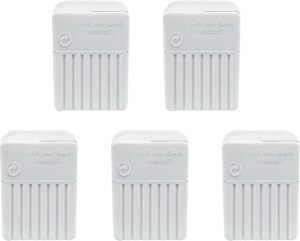
for Siemens/Signia 2.0 MiniReceiver…
Our wax guard is COMPATIBLE with Signia /Rexton/ Costco/Miracle Ear RIC hearing aids that use Mini…