
How to Prepare Your Home for Cold and Flu Season
Cold and flu season can arrive fast. A little planning at home reduces the chance of getting sick, shortens recovery if you do get ill, and helps protect family members who are more vulnerable.
This guide offers practical, evidence-based steps you can take now: what to stock, how to set up your space to limit spread, and which nutrition and supplements to consider as part of a broader strategy. Use what fits your household and check with a healthcare provider for specific medical guidance.
Why preparation matters
Viruses spread easily in enclosed spaces, and household routines can either amplify or slow transmission. Preparing ahead avoids last-minute runs to the store while symptomatic, reduces cross-contamination, and makes symptomatic days more comfortable. It also gives you a chance to consider at-risk members—infants, older adults, pregnant people, and those with chronic health conditions—and take extra precautions.
Stock an at-home care kit
Keep a designated box or drawer with essentials so you avoid touching multiple surfaces when someone is sick. Include thermometer, saline nasal spray, plenty of tissues, disposable masks, hand sanitizer (60%+ alcohol), and over-the-counter symptom relief per your household’s needs.
Also include items that support comfort and hydration—electrolyte solutions, a humidifier for dry air, and layering blankets. For households with infants or nursing parents, keep specialized supplies on hand and consult a clinician for dosing and care advice.
Support immune function with diet and targeted supplements
A balanced diet with adequate protein, vitamins, and fiber helps immune resilience. If you’re considering supplements to support baseline immune health, choose recognized options and follow label dosing or clinician recommendations. Zinc has evidence for reducing duration of cold symptoms when taken early; if you want to explore options, see Zinc Supplements.
Probiotics and gut health are linked to immune tone; a daily probiotic can be part of a broader approach to digestive and immune health. Find probiotic options at Probiotic Supplements, and consider evidence-based products such as Physician’s CHOICE Probiotics for structured dosing.
Vitamin D status correlates with respiratory infection risk in some studies. If you and your clinician decide supplementation is appropriate, a reliable option to discuss is NatureWise Vitamin D3 10,000 IU Plus K2. For general inflammation balance and heart health when recovering from viral illness, omega-3 fatty acids may be helpful; browse choices at Omega 3 and Fish Oil.
Household hygiene routines that cut spread
Small habits make a big difference. Encourage frequent handwashing with soap and water for 20 seconds, especially after coughing, sneezing, or caring for someone ill. Stock touchless trash cans and soap dispensers if possible to limit surface contact.
High-touch surfaces (doorknobs, light switches, fridge handle, remotes) should be wiped daily when someone in the household is symptomatic. Use EPA-registered disinfectants or simple bleach solutions for hard, nonporous surfaces. Wash bedding, towels, and soft toys in hot water if a family member is sick.
Air quality, humidity, and ventilation
Improving ventilation reduces airborne viral load. When weather allows, open windows to exchange indoor air for fresh outdoor air. Use exhaust fans in bathrooms and kitchens. Portable HEPA air purifiers can be useful in high-traffic rooms or bedrooms where someone will rest.
Maintaining moderate indoor humidity (40–60%) can make mucous membranes less vulnerable to viral invasion and ease congestion for sick occupants. A humidifier in a sick room, used with routine cleaning following manufacturer guidance, is a practical tool.
Plan for symptom management and isolation
Decide ahead where a mildly ill household member will rest, and designate a bathroom if possible. Limit caregivers to one person when practical and provide that caregiver with masks and gloves if needed. Teach children to cough or sneeze into their elbow and to discard used tissues immediately.
Stock symptom-support supplies so you don’t need to visit pharmacies while symptomatic. For digestive regularity during illness, try to maintain fiber intake—options are available under Fiber Supplements.
Special considerations: pregnancy, infants, older adults
Pregnant and breastfeeding people, infants under 6 months, older adults, and those with chronic conditions need tailored advice. If you’re pregnant or trying to conceive, discuss prenatal nutrition and supplementation with your care team and review options at Prenatal Vitamins.
For newborns and nursing parents, coordinate with your pediatrician about signs that require immediate attention, and keep lactation support and safe fever management strategies ready. Older adults may need closer monitoring for dehydration or breathing changes—have clear plans for when to call a clinician or seek urgent care.
Prepare your household workflow and communication
Establish clear rules for sick days and remote work or schooling ahead of time. Identify household members who can pick up groceries or medications, and set up delivery accounts if possible. Create a contact sheet with phone numbers for your primary care provider, urgent care, and local pharmacy.
If someone needs prescription refills while ill, using a single designated pharmacy reduces exposure and helps track medication needs. Consider discussing baseline immune-support supplements with your pharmacy team to ensure safe combinations with any prescription medications—one option for broad immune support is Immuno 150 Immune Support.
Checklist: What to have on hand
- Thermometer (digital) and pulse oximeter if recommended by your clinician
- Tissues, disposable masks, hand sanitizer (60%+ alcohol)
- Saline nasal spray and lozenges or throat soothing options
- Humidifier and room thermometer/hygrometer
- Nonprescription symptom relievers and fever reducers per household needs
- Hydration options and electrolyte solutions
- Consider targeted supplements: Zinc Supplements, Probiotic Supplements, Omega 3 and Fish Oil
FAQ
Q: Should I stock antibiotics for the season?
A: No—antibiotics treat bacterial infections, not viral colds or influenza. Only use antibiotics if prescribed by a clinician for a confirmed bacterial infection.
Q: When should I seek medical care for a sick household member?
A: Seek prompt care for breathing difficulty, persistent high fever, confusion, inability to stay hydrated, or for infants and those with significant underlying conditions. If in doubt, contact your provider for triage advice.
Q: Can supplements prevent colds or flu?
A: Some supplements—when used appropriately—may support immune function, but none guarantee prevention. Discuss choices with your clinician to avoid interactions and check dosing, especially if pregnant or on medications.
Q: Is it safe to use a humidifier every night?
A: Humidifiers can be safe and helpful when kept clean and used at moderate humidity levels (40–60%). Follow manufacturer cleaning instructions to prevent mold and bacteria growth.
Q: How long should someone isolate at home if they have the flu?
A: Isolation duration can vary. A common guideline is at least 24 hours after fever resolves without fever-reducing medications and when symptoms are improving. Follow public health guidance and your clinician’s advice.
Conclusion
Preparing your home for cold and flu season reduces stress and risk. Stock supplies, set up hygiene and air-quality routines, and consider evidence-based nutrition and supplements as part of a comprehensive approach. Create a simple plan now so you can focus on recovery, not logistics, if someone in your household gets sick.
Products Featured in This Article

NatureWise Vitamin D3 10,000 IU Plu…
Our Vitamin D3 10,000 IU + K2 200 mcg Softgels are designed to deliver important nutrients…
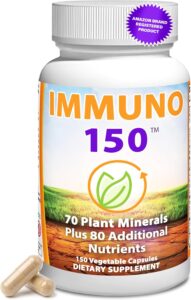
Immuno 150, Immune Support Suppleme…
Product description Product Dimensions : 2.75 x 2.75 x 5.25 inches; 3.84 ounces Date…

Physician’s CHOICE Probiotics…
Product description 1 Trust your gut 2 How to use Product Dimensions : 4.5…