
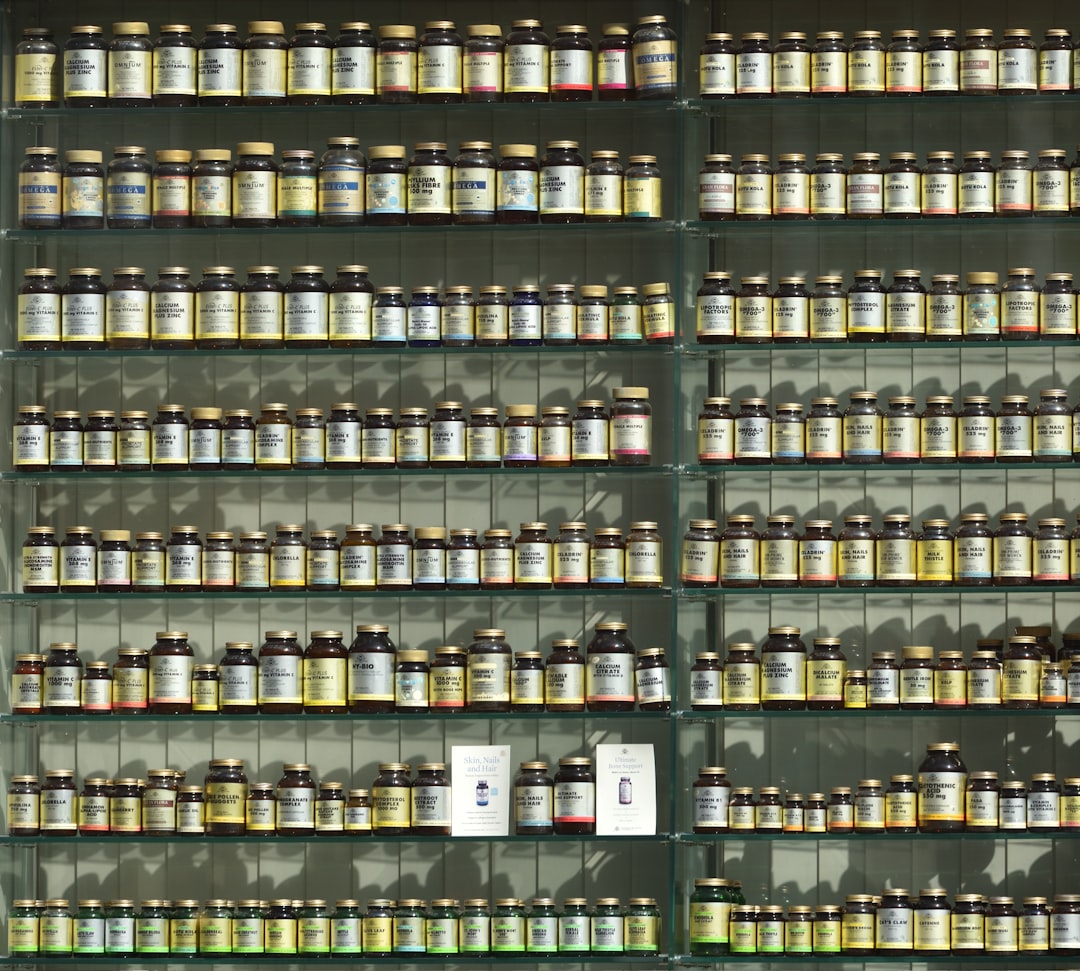
How to Organize Your Medicines and Supplements Safely at Home
Keeping medicines and supplements organized at home protects your health, helps you take the right doses, and reduces waste. A simple system that separates prescriptions, vitamins, and specialty products cuts confusion and prevents dangerous mistakes.
This guide gives practical, step-by-step strategies for auditing, storing, and tracking your medications and supplements so they remain effective and accessible when you need them.
1. Start with a complete inventory
Begin by gathering every prescription bottle, over-the-counter medicine, and supplement from around the house. Work room-by-room—kitchen, bathroom, bedroom, gym bag—and list each item, dose, frequency, and expiration date. For a quick resupply or a closer look at what’s available, browse your household options on EvePharmacy.
2. Separate prescriptions from supplements
Store prescription medications separately from vitamins and supplements to avoid mix-ups. Keep prescription bottles in a dedicated box, drawer, or weekly pill organizer (if appropriate), and avoid placing them next to similar-looking vitamin bottles. Be especially mindful of products like Iron Supplements, which can interact with other minerals and should be timed and stored intentionally.
3. Control temperature, light, and humidity
Many pills are sensitive to heat, light, or moisture. Store most medicines in a cool, dry place away from sunlight—avoid windowsills, car glove compartments, and bathrooms that get steamy. Sun-exposed and heat-sensitive supplements such as Vitamin D Supplements are best kept at room temperature in their original, opaque bottles.
4. Refrigeration: which supplements need it
Some supplements require cooler storage once opened. For example, certain oils and gelcaps lose potency or go rancid when warm; keep omega-3 and fish oil products in a cool place and refrigerate after opening if recommended on the label. If you use fish oil, consider the storage guidance for Omega 3 and Fish Oil products.
5. Probiotics and live cultures: special handling
Probiotic supplements often contain strains that are best kept cool to maintain viability. Check the label: some varieties require refrigeration while others are shelf-stable. When in doubt, store probiotics in a refrigerator drawer where temperature is consistent—this protects products like those found in the Probiotic Supplements category.
6. Organize by form and timing
Sort supplements and medicines by how and when you take them: morning vs evening, with food vs fasting, and by form (pills, gels, powders). Keep powders and bulk supplements in sealed containers in a cool, dry cupboard—collagen or protein powders, for example, do best this way; see storage tips for Collagen Supplements. For daily vitamin routines, group commonly used items (like a B-complex) together so you can grab a single stack in the morning; consider labeling a spot for your Vitamin B Complex if that’s part of your regimen.
7. Labeling, tracking, and using a schedule
Clear labeling prevents errors. Keep medicines in their original containers with pharmacy labels intact. For supplements moved into secondary containers (daily pill organizers, travel cases), add a printed label with the product name, dose, and expiration date. Maintain a simple medication list on your phone or a printed sheet that includes active ingredients and dosing times—this is also where you can note sensitive products such as CoQ10 Supplements that may interact with certain medications or be best taken at specific times.
8. Childproofing and accessibility
Keep all medications and supplements out of reach and out of sight of children and pets—high cabinets with child locks are ideal. Use child-resistant caps on prescription bottles and avoid transferring medications into unmarked containers that children might mistake for candy. At the same time, ensure items used daily by older adults are accessible and clearly labeled to support adherence.
9. Disposal, expiration, and reducing waste
Check expiration dates during your inventory sweep. Expired medicines can lose potency or change chemically; remove and dispose of them promptly. Use community take-back programs when available; do not flush medications unless the label or a public health authority specifically advises it. For supplements, if a product smells off, has a changed texture, or is past expiration, discard it.
Quick checklist
- Gather all meds and supplements from every room.
- Make a list: name, dose, frequency, expiration.
- Keep prescriptions separate from supplements.
- Store heat/light-sensitive items away from windows and heat sources.
- Refrigerate items only if the label recommends it.
- Use childproof storage for homes with kids or pets.
- Label secondary containers clearly with name and expiry.
- Dispose of expired or questionable products safely.
FAQ
Q: Can I store all supplements in the bathroom cabinet?
A: No. Bathrooms are humid and can shorten shelf life. Choose a cool, dry cupboard or pantry instead.
Q: How long can I keep an opened bottle of fish oil?
A: Follow the label. Many fish oil products advise refrigeration after opening to slow oxidation—see guidance for Omega 3 and Fish Oil items.
Q: Are there supplements that must stay refrigerated?
A: Some probiotics and specialty formulations require refrigeration. Check each product’s storage instructions; probiotic products like those in the Probiotic Supplements category often note recommended storage.
Q: Is it okay to use a weekly pill organizer?
A: Weekly organizers can improve adherence but may not be appropriate for all medications—keep medications that require special storage in their original containers and consult your pharmacist about organizing prescriptions safely.
Q: How should I manage iron and other mineral supplements?
A: Timing and separation matter. Iron can interact with other minerals and some medications; keep iron products in their original packaging and follow guidance—see examples in the Iron Supplements category.
Q: What about multi-ingredient supplements like B-complex?
A: Store multivitamins in a stable, cool, dry spot and keep them clearly labeled so they’re not mistaken for single-ingredient products. Examples include items in the Vitamin B Complex selection.
Conclusion
Organizing medicines and supplements takes one focused session and a simple system: inventory, separate, store by needs, label, and review regularly. Small changes—proper storage, sensible labeling, and scheduled checks—reduce risk, maintain potency, and make daily routines easier.
Practical takeaway: set a quarterly reminder to inventory and purge expired items; keep one clearly labeled spot for daily-use products and a separate, secure storage area for the rest.