
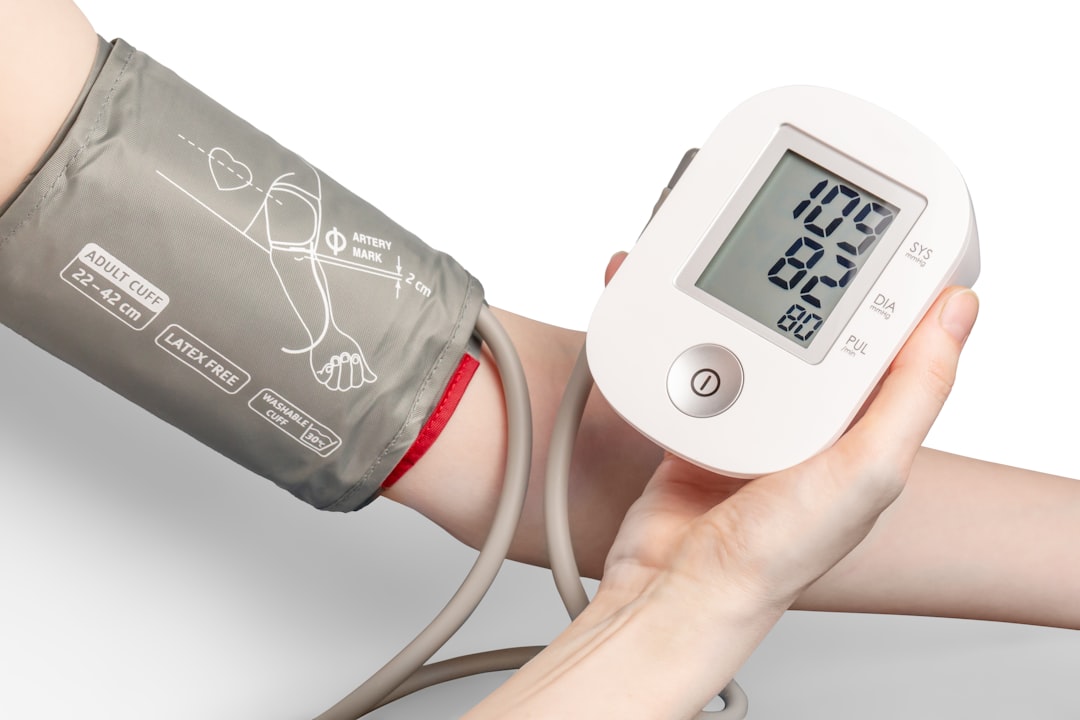
How to Measure Blood Pressure Correctly at Home
Measuring your blood pressure at home gives you a clearer, more consistent picture of your cardiovascular health than occasional readings at the clinic. When done correctly, home measurements help you and your clinician detect trends, assess medication effects, and make timely lifestyle changes.
For supplies and heart-health essentials you may want to keep on hand, EvePharmacy carries a wide range of relevant products and categories to support home monitoring and overall wellness: EvePharmacy.
Why accurate home blood pressure monitoring matters
White-coat hypertension (higher readings in clinic) and masked hypertension (normal clinic readings but high at home) are common. Reliable at-home readings let you identify patterns over days and weeks so decisions are based on trends rather than single numbers. For people managing cardiovascular risk, pairing careful monitoring with targeted support can be helpful — for example, some heart-focused supplements are marketed to support cardiovascular health, such as Life Extension AmpliQ CoQ10, which some people choose as part of a broader heart-health plan.
Choosing the right monitor and cuff
Pick an automatic, upper-arm (brachial) cuff monitor that is validated for accuracy. Wrist and finger devices are less reliable. Make sure the cuff size fits your arm — a cuff that is too small will overestimate blood pressure; too large may underestimate it.
Buying a reliable monitor is only part of the plan. Many people combine monitoring with longer-term nutritional strategies for cardiovascular health. If you’re exploring dietary support, products in the heart and omega-3 category may be relevant: Omega 3 and Fish Oil.
How to prepare before a measurement
Small behaviors directly affect a reading. Before you measure:
- Sit quietly for 5 minutes; avoid talking or using your phone.
- Avoid caffeine, smoking, and exercise for at least 30 minutes.
- Empty your bladder; a full bladder can raise readings.
Note timing if you take supplements or medications — some agents influence vascular tone. If you take magnesium as a supplement, consider timing it consistently relative to your readings; learn about options in the Magnesium Supplements category.
Positioning: posture and arm placement
Proper posture is essential for accurate readings. Sit with your back supported, feet flat on the floor and legs uncrossed. Rest your arm on a table so the cuff is at heart level. The cuff should be on bare skin, about 2–3 cm above the elbow crease.
Consistency matters: use the same chair and arm each time. For ongoing heart health, some people also consider CoQ10 supplements as part of their regimen; see general options under CoQ10 Supplements.
Step-by-step: taking the measurement correctly
Follow this routine each time you measure:
- Wait five minutes after sitting quietly.
- Place the cuff snugly on the upper arm, aligned with the brachial artery.
- Start the monitor and sit still without talking.
- Record both systolic and diastolic values and the time.
- Take two to three readings one minute apart and record them all.
For people interested in combined lifestyle and supplement approaches, some choose a concentrated omega-3 product to support overall cardiovascular health. One example available on site is Triple Strength Omega 3 Fish Oil.
Recording, averaging, and interpreting readings
Track readings in a notebook or digital log: date, time, arm used, position (sitting/standing), and activities beforehand (meds, exercise, caffeine). To reduce variability, take two readings in the morning and two in the evening for seven days and calculate the average.
Pay attention to trends rather than one-off spikes. If systolic or diastolic values consistently fall outside your clinician’s target, bring your log to a health appointment. Supplements that influence vascular tone — including magnesium formulations — may be considered by some; one well-reviewed option is Pure Encapsulations Magnesium (Glycinate), typically taken with clinician guidance.
Common mistakes and troubleshooting
Frequent sources of inaccurate readings include:
- Using the wrong cuff size.
- Measuring over clothing.
- Talking or moving during measurement.
- Inconsistent measurement times and positions.
If your monitor’s readings don’t match clinic readings, bring the device to your healthcare provider or pharmacy for validation. As part of broader diet and lifestyle efforts to manage blood pressure, increasing soluble fiber and overall dietary quality has evidence for benefit; you can explore supportive options in the Fiber Supplements category.
Checklist: quick pre-measure routine
- Sit quietly for 5 minutes without talking.
- Use a properly fitted, upper-arm cuff on bare skin.
- Keep the cuff at heart level with your arm supported.
- Take 2–3 readings one minute apart; record all values.
- Measure at consistent times each day (e.g., morning and evening).
- Bring logs to your clinician for review if values are concerning.
When to contact your clinician
Contact your healthcare provider if you have repeated high readings (as advised by your provider), symptoms like chest pain, shortness of breath, fainting, or sudden severe headache. If you’re initiating or changing medications or supplements that affect blood pressure, share your home-monitor log and any products you’re taking — for example, some people use targeted heart-support supplements found in the Omega 3 and Fish Oil category — so your clinician has the full context.
Conclusion: practical takeaway
Accurate home blood pressure monitoring depends on the right device, consistent technique, and reliable recording. Focus on a calm pre-measure routine, correct cuff size and placement, and averaging several readings. Use your log to identify trends and discuss them with your clinician — small, consistent steps will give you the best information to manage blood pressure effectively.
FAQ
- How often should I measure my blood pressure at home?
For new monitoring, twice daily (morning and evening) with two readings each time for seven days gives a reliable average; follow your clinician’s advice for ongoing frequency.
- Which arm should I use?
Use the arm your clinician recommends; if readings differ between arms, use the higher arm for monitoring and report the difference.
- Can supplements affect my readings?
Certain supplements and medications can influence blood pressure. Discuss any supplements you take with your clinician and be consistent about timing relative to measurements. Examples of commonly discussed supplements include omega-3s and magnesium.
- Is a wrist monitor acceptable?
Upper-arm monitors are generally preferred for accuracy. Wrist monitors are more sensitive to arm position and movement and should only be used if an upper-arm cuff cannot be used.
- What should I do if my home monitor shows very high or very low values?
If you get an unexpectedly high or low value and feel unwell (dizziness, chest pain, difficulty breathing), seek urgent care. For unexpected values without symptoms, retake measurements after five minutes and contact your clinician if readings persist outside advised ranges.
Products Featured in This Article

Pure Encapsulations Magnesium (Glyc…
Product description Add to Cart Add to Cart Add to Cart Add to Cart Customer Reviews…

Triple Strength Omega 3 Fish Oil 36…
Product description Omega Essential Fatty Acids Add to Cart Add to Cart Add to Cart Add…

Life Extension AmpliQ CoQ10, Heart …
Meet AmpliQ CoQ10™: our most advanced CoQ10 formula ever. CoQ10 supports heart and cellular energy, helps…