
Compression socks are a simple, effective way to reduce leg fatigue, manage mild swelling, and support circulation during long days or travel. But the right sock—and the right routine—makes all the difference for comfort and results.
This guide walks through how to choose compression socks, how to wear and care for them, and practical tips to make them comfortable for daily life, pregnancy, travel, sports, and recovery.
Understand compression levels (mmHg) and what they do
Compression is measured in millimeters of mercury (mmHg). Common categories:
- Light support (8–15 mmHg) — general relief for tired legs and light swelling.
- Moderate support (15–20 mmHg) — good for travel, prolonged standing, and mild varicose veins.
- Firm support (20–30 mmHg) — often used for more significant swelling or after surgery; consult a clinician if prescribed.
- Extra firm (30–40+ mmHg) — for severe venous issues and requires medical guidance.
Start with the lowest effective compression for comfort; you can step up if symptoms persist and a clinician approves.
Measure properly: size, length, and fit
Accurate measurements are the foundation of comfort. Measure circumference at the ankle, the widest part of the calf, and sometimes the thigh (for thigh-high socks). Also note shoe size and leg length from floor to bend behind the knee or to the groin for thigh styles.
If you have bladder leakage or mobility concerns, pairing compression socks with suitable protective garments can make long days more comfortable—consider options like Allbase Incontinence Underwear for Women for discreet protection when you travel or stand for long periods.
Choose materials and features for all-day comfort
Look for breathable, moisture-wicking fabrics—nylon blends and compression-specific yarns keep skin dry and reduce friction. Reinforced toes and seamless designs reduce pressure points. For warm climates or active use, opt for lighter-weight, ventilated styles.
If you wear compression socks during your period, a breathable pairing can improve comfort—pair socks with breathable, moisture-managing products such as Period Underwear for better overall comfort and confidence during long days.
Putting on and taking off: techniques and aids
Compression socks can be tight by design. Use these steps to reduce strain and avoid damage:
- Turn the sock inside out to the heel, insert foot, then roll the fabric up the leg—this evens tension.
- Sit while dressing and elevate the foot slightly to ease pulling.
- Donning aids (rubber gloves for grip, plastic frames, or specialized devices) help those with limited hand strength or flexibility.
Washing and gentle handling preserve elasticity; avoid high heat when laundering and drying.
When to use compression socks in pregnancy and postpartum
Pregnancy commonly causes leg swelling and discomfort. Many find moderate compression (15–20 mmHg) comfortable and helpful, especially for long flights or standing. If you suspect pregnancy and are evaluating supportive measures, early detection with a reliable test can inform your choices: First Response Early Result Pregnancy Test.
Starting prenatal care early helps with overall comfort and circulation. If you’re planning or in early pregnancy, consider discussing nutritional support with your provider and using trusted supplements like Prenatal Vitamins as recommended.
Postpartum, recovery, and when to seek help
Compression socks can help with postpartum swelling and support mobility after delivery. Use socks of appropriate compression and avoid overly tight cuffs that restrict circulation.
As part of recovery planning, gentle nutritional support and supplements designed for new mothers can be helpful; look into options like Postnatal Vitamins as advised by your healthcare team.
Seek medical advice if you experience sudden leg pain, redness, pronounced asymmetrical swelling, or shortness of breath.
Women’s cycles, travel, and other special uses
Compression can offer comfort during long flights, long shifts, or athletic recovery. Some women also use light compression during menstruation to reduce leg fatigue; for menstrual pain relief combined with other measures, consider trusted OTC options like Pamprin Multi-Symptom Formula when appropriate.
If you’re tracking fertility and traveling/or planning activities around ovulation, testing tools such as Clearblue Advanced Digital Ovulation Test can help you time high-activity days while maintaining comfort strategies like compression during prolonged standing or travel.
Care, longevity, and when to replace socks
Proper care extends sock life and preserves compression:
- Hand wash or use a gentle machine cycle with mild detergent.
- Air dry flat away from direct heat; avoid tumble drying.
- Inspect seams and elasticity—replace socks once they lose snugness or show fabric thinning (typically every 3–6 months with daily wear).
Comfort tips for daily use
Small adjustments improve day-to-day comfort:
- Start wearing socks for 1–2 hours and increase gradually to full-day use.
- Alternate between different compression levels if you need more flex on active days.
- Trim toenails and moisturize feet (but avoid lotions immediately before donning to reduce slipping).
- Choose shoes with extra width if compression increases foot volume sensation.
Checklist: Choosing and using compression socks
- Measure ankle, calf, and leg length accurately.
- Choose mmHg appropriate to your needs (start low, consult clinician when needed).
- Select breathable material and correct length (knee vs. thigh vs. full-leg).
- Practice donning techniques or use aids for easier application.
- Wash gently and replace when elasticity fades.
- For pregnancy or recovery, coordinate with prenatal/postnatal guidance and testing as needed.
FAQ
Q: How tight should compression socks feel?
A: They should feel snug and supportive but not painfully tight. Mild pressure that reduces toward the knee is normal. Stop use and consult if numbness or severe pain occurs.
Q: Can I wear compression socks every day?
A: Many people wear them daily. Start with shorter periods and monitor symptoms; replace when compression weakens.
Q: Which compression level is best for travel?
A: Moderate support (15–20 mmHg) is commonly recommended for travel to reduce swelling and fatigue during long flights or drives.
Q: Are compression socks safe in pregnancy?
A: Many pregnant people tolerate moderate compression well and find it helpful for swelling. Discuss with your provider for personalized advice.
Q: How do I know when to see a clinician?
A: Seek care for sudden, severe leg pain, warm/red swelling, breathing difficulties, or if a clinician has previously recommended medical-grade compression.
Q: Can compression socks help with athletic recovery?
A: Light to moderate compression can support recovery by reducing muscle soreness and improving circulation; results vary by sport and individual.
Conclusion
Choosing comfortable compression socks comes down to correct sizing, appropriate compression level, breathable materials, and gradual use. Measure carefully, start with moderate support for lifestyle uses, care for your socks properly, and consult a clinician for higher compression needs or unusual symptoms. With the right choices and routine, compression socks can be a practical, comfortable tool for daily life, travel, pregnancy, and recovery.
Products Featured in This Article
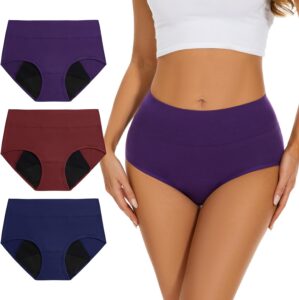
Allbase Incontinence Underwear for …
Product description Package Dimensions : 9.49 x 6.89 x 2.2 inches; 8.15 ounces Department…
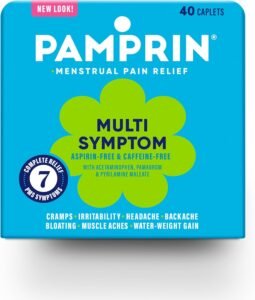
Pamprin Multi-Symptom Formula, with…
Pamprin Multi-Symptom Menstrual Pain provides relief of PMS and period cramps to help you feel better…
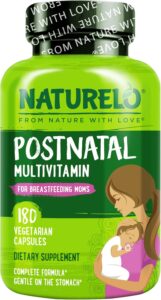
NATURELO Postnatal Multivitamin …
Product description NATURELO has a unique approach to formulating our supplements — we always use the…
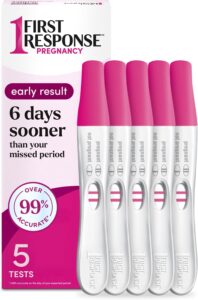
First Response Early Result Pregnan…
When asking yourself, “Am I Pregnant?”, the earlier you know, the better. Featuring First to Detect™…
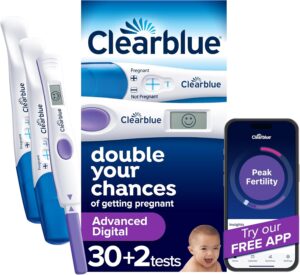
Clearblue Advanced Digital Ovulatio…
To calculate the overall star rating and percentage breakdown by star, we don’t use a simple…