
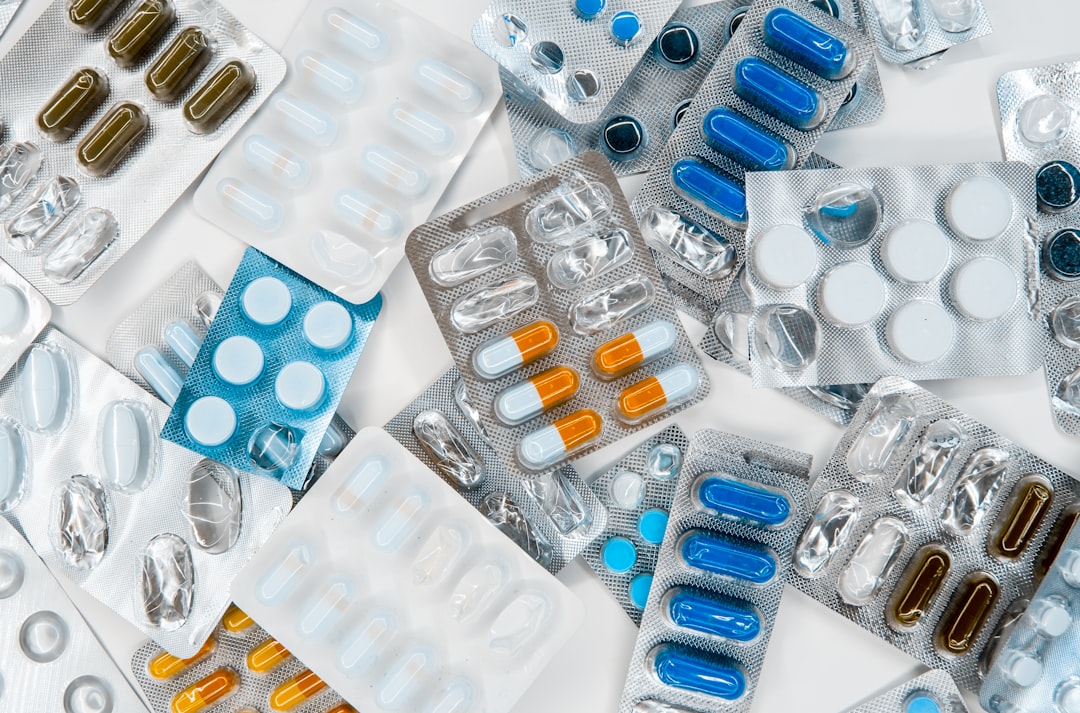
How to Check Medicine Expiration Dates and Dispose of Products Safely
Medication safety starts at home. Knowing how to read expiration dates, handle special products like eye drops and supplements, and dispose of expired items properly reduces risk and protects your household.
At EvePharmacy we recommend simple, repeatable habits to keep your medicine cabinet organized and safe. This guide explains what to look for, how to store products to preserve potency, and step-by-step disposal options that minimize environmental impact.
Why expiration dates matter
Expiration dates indicate the point until which a manufacturer guarantees full potency and safety under labeled storage conditions. For many prescription and OTC medicines, potency declines after the date; for some products, chemical changes can affect safety or effectiveness. Treat dates as a key part of responsible use rather than optional guidance.
Where to find and how to read expiration information
Look for printed dates on the bottle, blister card, tube, or box. Formats include month/year (MM/YYYY), day/month/year (DD/MM/YYYY), or a lot-specific code combined with a separate expiration. If you see only a lot number and no expiration, contact the pharmacy or manufacturer for clarification.
Supplements and sleep aids commonly show clear expiration dates. For example, single-ingredient supplements like Melatonin Gummies will have labeled dates—check these before use and discard once expired. Likewise, OTC sleep tablets should be checked before use: see your Nighttime Sleep Tablets for examples of common packaging and date placement.
Special cases: eye drops, wipes and other single-use/sterile products
Eye-care products and anything sterile have extra caution. Eye drops and compresses can become contaminated after opening and often have a manufacturer “discard X days after opening” instruction. Products such as Dry Eye Compresses may include single-use instructions—discard when indicated or if you notice clouding, discoloration, or an unusual odor.
Similarly, pre-moistened items like Eyelid Cleansing Wipes should be used within the period specified on the packaging once opened. If packaging is compromised, discard immediately rather than risking eye infections.
How storage affects expiration
Temperature, humidity, and light all accelerate degradation. Store medications according to label instructions—many belong in a cool, dry place away from direct light. Avoid the bathroom cabinet where steam and temperature swings are common; the kitchen may also be unsuitable near the stove.
Some products are more sensitive: sprays and certain sleep-support items can lose aroma or active ingredient strength if stored hot or humid. Consider keeping short-term sleep products in a bedroom drawer designed for cool, dry storage, or check the instructions for any product such as branded sleep sprays in the Sleep Sprays category to see storage recommendations.
How to interpret lot numbers and “beyond-use” dates
Lot numbers identify production batches and are used by manufacturers for recalls. If a product shows only a lot number and you need an expiration date, contact the seller or manufacturer with that lot number to confirm. “Beyond-use” dates are often used in compounded medications or single-dose sterile products and indicate when a product should not be used after opening or preparation—follow these strictly.
Safe disposal: what to do with expired or unused medicines
Do not flush medications down the toilet unless the label specifically instructs to do so. Many communities offer drug take-back programs or scheduled collection days at pharmacies or public health facilities—these are the preferred disposal methods for most medicines.
When take-back is not available, follow FDA-recommended household disposal: remove medicines from their original containers, mix with an unappealing substance (coffee grounds, cat litter), place in a sealed bag, and throw in your household trash. Conceal personal information by removing or blacking out labels.
Disposing of non-pill items and supplies
Not all items are the same: patches, sprays, sharps, and batteries require specific handling. For example, used nasal strips or adhesive respiratory aids can go in the trash after ensuring no personal data remains on packaging—brands such as Breathe Right Nasal Strips are disposable and should be wrapped before discarding.
Reusable ear protection should be cleaned and stored; disposable earplugs belong in the trash. For guidance on reusable options that can be cleaned and kept safely, see products like Loop Quiet 2 Ear Plugs.
What to do with sharps and hazardous items
Needles, lancets, and other sharps must be placed in approved sharps containers and not in household trash loose. Many municipalities and pharmacies provide sharps disposal services or will point you to approved mail-back programs. Never recap needles—place them directly into a puncture-resistant container for disposal according to local rules.
Practical organization tips to prevent expired medicines
- Keep a visible “expiry shelf” in your cabinet and move new purchases behind current stock so older items are used first (first in, first out).
- Label boxes with the open date if the product requires discarding after opening.
- Set a calendar reminder to review medicines every 3–6 months—check supplements, OTCs and first-aid kits.
Quick checklist: Inspect, Store, Dispose
- Inspect: Check all labels for expiration, open-date instructions, and storage requirements.
- Store: Keep medicines in a cool, dry place; avoid bathrooms and sunlit windowsills.
- Separate: Remove expired items immediately—don’t keep them “just in case.”
- Dispose: Use take-back programs when possible; otherwise follow safe household disposal steps.
- Supplies: Dispose of single-use products (like strips or wipes) after use; clean and retain reusable items.
FAQ
- Q: Can I take pills a few months after the expiration date?
A: It’s not recommended—potency may decline and product quality can change. Replace expired medicines. - Q: Are eye drops safe past their expiration or after opening?
A: No. Eye drops can become contaminated; follow manufacturer “discard after opening” instructions and expiration dates for safety. - Q: How do I dispose of inhalers or sprays?
A: Some aerosols can be recycled when empty; check local hazardous-waste guidance. For many over-the-counter sprays, follow the manufacturer’s disposal instructions on the label. - Q: What should I do with expired supplements like melatonin?
A: Discard expired supplements. Products such as Melatonin Gummies and tablets lose potency—replace them to ensure effectiveness. - Q: Is it okay to keep emergency kits past their expiration?
A: Check each kit component; bandages and some supplies may be okay, but medicines inside any first-aid kit should be checked individually and replaced when expired.
Conclusion
Checking expiration dates and disposing of products properly protects your family and the environment. Make inspection and safe disposal part of routine home care—review supplies quarterly, follow storage instructions, and use take-back options when available. Small, regular actions keep medicines effective and reduce waste.
Products Featured in This Article

Loop Quiet 2 Ear Plugs – Ultr…
Product description Product Dimensions : 3.07 x 3.07 x 0.75 inches; 1.06 ounces Item…
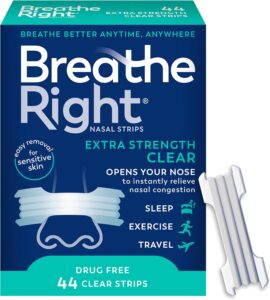
Breathe Right Nasal Strips, Extra S…
Breathe Right Extra Strength Nasal Strips work to instantly open your nose for nasal congestion relief…