
Introduction
Digital thermometers are a staple in every medicine cabinet: fast, affordable, and more accurate than many older options. Used correctly, they give reliable information to guide care for yourself and your family.
However, common mistakes — from placement errors to poor maintenance — can skew readings and lead to unnecessary worry or missed warning signs. For reliable supplies and health products you may need while monitoring illness, see EvePharmacy.
How digital thermometers work (and why technique matters)
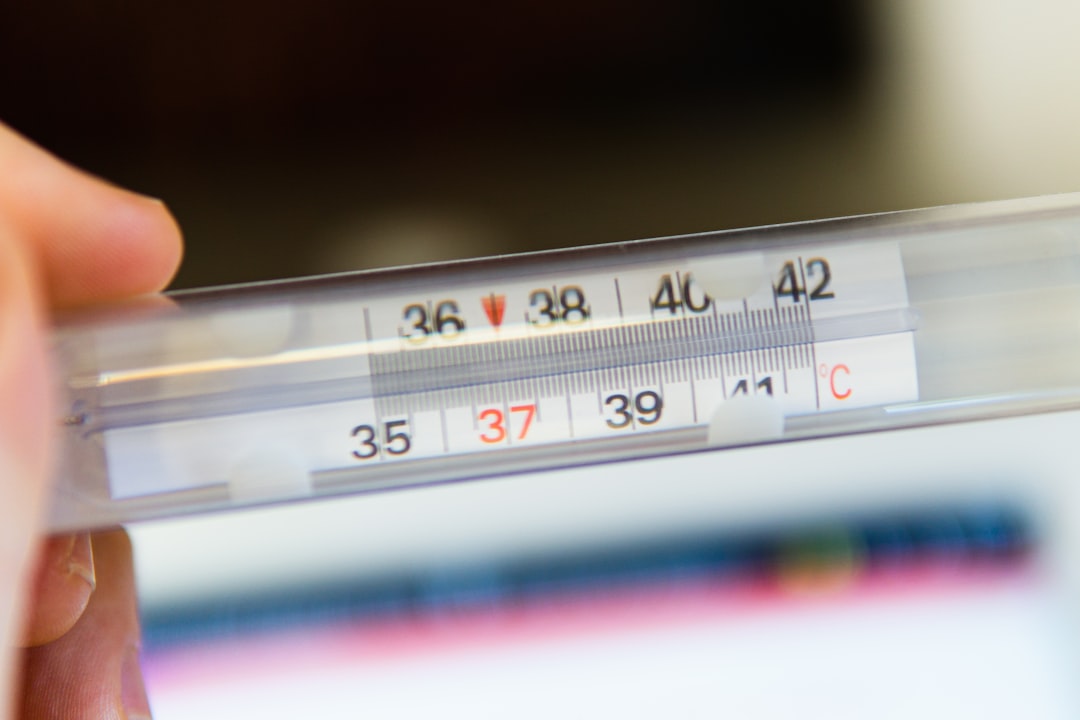
Most home digital thermometers measure temperature with an electronic sensor at the tip. They convert a physical temperature into a numeric display, but the sensor only reflects the local temperature at the measuring site (oral, axillary, rectal, or temporal). That means positioning, timing, and environmental factors all affect the number you read.
Choosing the right thermometer for the job
Not all digital thermometers are interchangeable. Oral/rectal thermometers are designed for internal use and typically give the most accurate core temperature. Temporal artery and tympanic (ear) thermometers are fast and useful for quick checks, especially with children, but they require correct placement. Choose a model appropriate for the user and the purpose, and follow the manufacturer’s instructions to the letter.
Common placement and timing mistakes
Errors in placement and timing are the most frequent causes of inaccurate readings:
- Measuring orally right after drinking, eating, or smoking — wait at least 15–30 minutes.
- Using the axillary (underarm) reading and assuming it equals oral or rectal temperatures — axillary readings run lower and need adjustment.
- Incorrect ear or temporal placement — not aiming at the eardrum or touching hair/skin can distort the value.
- Not waiting for the beep or removing the probe too soon — let the device complete its measurement cycle.
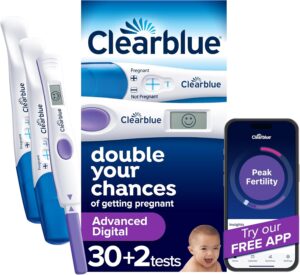
For fertility tracking, where small differences matter, use the same thermometer, the same site (oral), and measure at the same time every morning before getting up. If you’re using ovulation kits in parallel, a dependable product is the Clearblue Advanced Digital Ovulation Test Kit 32 Count, and consistent temperature technique improves your combined accuracy.
Environmental and activity-related pitfalls
Ambient temperature and recent activity change skin and mouth temperatures. Avoid measuring right after:
- Exercising or heavy activity
- Bathing or being in a very warm room
- Consuming hot or cold drinks
If you suspect the environment altered your reading, wait 20–30 minutes in a neutral room temperature before rechecking. Also check battery life — low power can slow response time and affect accuracy.
Cleaning and maintenance: small device, big effect
A dirty probe or damaged tip gives unreliable results. Clean the probe tip between uses with an alcohol swab or mild soapy water, following the manufacturer’s cleaning instructions. For guidance and supplies to clean small medical devices safely, consider the tools sold under Hearing Aid Cleaning Supplies — while designed for hearing aids, these delicate tools and brushes illustrate the kind of careful cleaning useful for thermometers.
Store the thermometer in its protective case away from heat and direct sunlight. Replace batteries as recommended and never use a thermometer with a cracked probe or damaged casing.
Special populations: babies, pregnancy, and fertility
Infants and young children often require rectal or dedicated temporal/ear thermometers for the most accurate readings. When caring for a newborn, understand the recommended site and method for that age, and always contact a healthcare provider for high or persistent fevers.
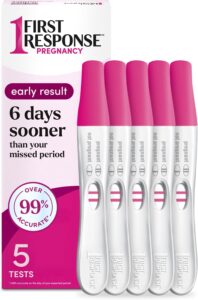
If you are monitoring temperature during pregnancy — where fever management and early detection matter — make sure to confirm a positive pregnancy if relevant using a reliable test. For early detection you might consider a trusted product like First Response Early Result Pregnancy Test 5 Count Pack. For prenatal care and guidance on supplements while pregnant, look into Prenatal Vitamins.
After birth, fever monitoring remains important for mother and baby; if you are breastfeeding and supporting recovery, consider resources such as Postnatal Vitamins for nutritional support alongside appropriate medical advice.
Interpreting readings: context matters
One isolated number rarely tells the full story. Compare readings over time and use the same method each time. Keep in mind:
- Rectal readings are generally highest, oral intermediate, and axillary lowest.
- Small fluctuations (0.3–0.6°C / 0.5–1.0°F) can be normal throughout the day.
- Menstrual cycle changes can raise basal temperature slightly after ovulation; avoid overreacting to small variations.
If you’re tracking symptoms alongside temperature and looking for symptom relief related to menstrual cycles, products and guidance under Menstrual Pain Relief can be part of a broader symptom-management plan.
When readings are repeatedly inconsistent
If readings vary dramatically or don’t match how the person looks/feels, recheck using a different site and a second thermometer if possible. Persistent inconsistencies could mean the device is faulty, the probe is contaminated, or the method is incorrect. Consider environmental factors, battery state, and whether the device needs replacement.
Supporting immune recovery while you monitor illness can help the body return to baseline — talk to your clinician about supplements like Zinc Supplements and other supportive measures, but follow professional guidance rather than self-prescribing.
Quick checklist: common mistakes to avoid
- Don’t measure immediately after eating, drinking, or exercise — wait 15–30 minutes.
- Use the proper site for the person’s age and condition (oral, rectal, axillary, ear, temporal).
- Ensure correct probe placement and wait for the device to finish its cycle.
- Clean and dry the probe between uses; replace batteries regularly.
- Use the same thermometer and method for serial measurements, especially for fertility tracking.
- Store the thermometer in its case away from extreme temperatures.
FAQ
Q: How long should I wait after drinking to take an oral temperature?
A: Wait at least 15–30 minutes after hot or cold drinks, smoking, or vigorous activity.
Q: Is a temporal thermometer as accurate as an oral or rectal one?
A: Temporal artery thermometers are convenient and generally reliable for screening, but oral and rectal measurements are often more accurate for detecting core temperature changes.
Q: How often should I clean my thermometer?
A: Clean the probe before and after each use with an alcohol wipe or mild soap and water per the manufacturer’s instructions.
Q: My readings differ between oral and underarm sites — which is correct?
A: Rectal readings are closest to core temperature. Oral is intermediate; axillary (underarm) readings are typically lower and less reliable for fever detection.
Q: Can menstrual cycle changes affect temperature readings?
A: Yes — basal body temperature rises slightly after ovulation. Use consistent timing and method when using temperature for fertility tracking.
Conclusion
Digital thermometers are useful tools when used correctly. Avoid the common mistakes above by choosing the right device, standardizing your technique, keeping the probe clean, and interpreting readings in context. A steady routine and attention to detail will give you the reliable information you need to act calmly and appropriately.
Products Featured in This Article

NATURELO Postnatal Multivitamin …
Product description NATURELO has a unique approach to formulating our supplements — we always use the…
First Response Early Result Pregnan…
When asking yourself, “Am I Pregnant?”, the earlier you know, the better. Featuring First to Detect™…
Clearblue Advanced Digital Ovulatio…
To calculate the overall star rating and percentage breakdown by star, we don’t use a simple…