

Everyday Eye Care Tips for Screen Users
Screens are a daily part of work and life for most people. Long hours in front of laptops, phones, and tablets can lead to tired, dry, or strained eyes if you don’t build simple habits to protect them.
Small changes to your environment, work rhythm, and daily routine make a big difference. For trusted products and supplements that support eye health and overall wellness, consider browsing the selection at EvePharmacy.
Understand digital eye strain
Digital eye strain (also called computer vision syndrome) is a cluster of symptoms: tired eyes, blurred vision, headache, dryness, and neck or shoulder tension. These happen because screens reduce blink rate, force sustained focus, and often encourage poor posture. Recognizing the pattern—symptoms during or after screen work—is the first step to preventing them.
Set up an ergonomic workspace
Position your screen about an arm’s length away with the top of the monitor at or slightly below eye level. Sit with your back supported, shoulders relaxed, and feet flat on the floor. Keep frequently used items within easy reach to avoid repeated leaning or craning.
Use the 20-20-20 rule and blink consciously
Every 20 minutes, look at something 20 feet away for at least 20 seconds. This simple habit relaxes the focusing muscles and helps restore a normal blink rate. Consciously blinking more often—full blinks that close the lids—helps spread tears evenly and reduces dryness.
Manage screen time and energy with scheduled breaks
Plan regular short breaks: micro-breaks (30–60 seconds) each 10–15 minutes and longer breaks (5–15 minutes) each hour. Breaks reduce fatigue and improve productivity. If you feel chronic mental or physical exhaustion from long screen sessions, nutrients that support energy metabolism—like B-complex vitamins—can be helpful alongside behavioral changes: Life Extension BioActive Complete B‑Complex.
Reduce glare, use comfortable display settings, and adjust text
Minimize glare by positioning screens perpendicular to windows and using blinds or diffusers. Increase font size and contrast to reduce squinting and focus effort. Lower screen brightness to match ambient light and consider a matte screen protector if reflections are a problem. For some people, protecting retinal energy and cellular health can complement visual habits; certain coenzyme supplements are discussed for cellular support—see options in CoQ10 supplements.
Keep eyes lubricated: hydration, environment, and omega-3s
Dry indoor air, heating or air conditioning, and reduced blinking combine to dry out the ocular surface. Use a humidifier if the air is dry, avoid direct fans blowing at your face, and stay hydrated. Nutritionally, omega‑3 fatty acids support tear quality and a healthy tear film; adding a high‑EPA/DHA fish oil can help reduce evaporative dry eye symptoms when paired with good blinking and environment control: Triple Strength Omega‑3 Fish Oil.
Prioritize sleep and manage muscle tension
Poor sleep and evening screen exposure increase ocular discomfort and slow recovery from daily strain. Create a wind‑down routine that reduces screen use in the hour before bed. Gentle neck and shoulder stretches can reduce referred tension that worsens eye fatigue. If muscle tension or restless sleep are issues, calming magnesium supports relaxation and sleep quality: Pure Encapsulations Magnesium.
Nutrition basics for eye health
Good vision depends on adequate intake of key nutrients. Vitamin A supports the tear film and visual cycle; a targeted vitamin A supplement can be an option when diet alone is insufficient: Certified Organic Vitamin A 5000 IU.
- Eat leafy greens, carrots, and colorful fruits for lutein, zeaxanthin, and beta‑carotene.
- Include fatty fish or high‑quality omega‑3 supplements to support tear production.
- Maintain overall nutrition—protein, zinc, vitamin D, and antioxidants support ocular tissues.
Small checklist: daily habits for screen users
- Set up ergonomics: monitor distance and height, chair support.
- Follow 20‑20‑20 and blink fully and often.
- Take micro‑breaks every 10–15 minutes and a longer break each hour.
- Adjust brightness, font size, and reduce glare; consider screen filters.
- Use a humidifier, stay hydrated, and consider omega‑3 support.
- Wind down screens before bed and use relaxation practices for better sleep.
FAQ
Q: Are over‑the‑counter eye drops safe for frequent use?
A: Short‑term use of preservative‑free lubricating drops is generally safe for symptom relief. Avoid medicated vasoconstrictor drops for daily use. If symptoms persist, see an eye care professional.
Q: Can supplements really help dry eyes from screens?
A: For many people, omega‑3 supplements improve tear quality when combined with blinking and environmental changes. Evidence varies, so consider a high‑EPA/DHA formula like the one above and discuss long‑term use with a healthcare provider.
Q: Which nutrients are most important for eye health?
A: Vitamin A, zinc, omega‑3 fatty acids, lutein/zeaxanthin, and adequate vitamin D all support eye tissues. For targeted mineral support you can explore zinc options here: Zinc supplements.
Q: Do I need vitamin D for my eyes?
A: Vitamin D plays a role in immune regulation and inflammatory control; low vitamin D has been associated with ocular surface issues in some studies. If you have low sun exposure, a vitamin D supplement may be reasonable: NatureWise Vitamin D3 + K2. Discuss dosing with a clinician.
Q: How long before supplements help?
A: Nutritional changes and supplements typically take weeks to months to show benefits. Continue behavioral measures (blinking, breaks, environment) in parallel for faster symptom relief.
Conclusion
Protecting your eyes while using screens is a mix of good habits, ergonomic setup, and supportive nutrition. Start with the 20‑20‑20 rule, optimize your workspace, control lighting and humidity, and consider targeted supplements when appropriate. Small consistent changes will reduce strain and help your eyes feel better every day.
Products Featured in This Article
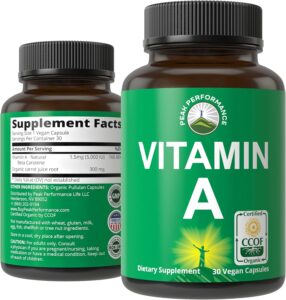
Certified Organic Vitamin A 5000 IU…
Product description WHAT DO WE STAND FOR? • POTENCY, QUALITY, AND PURITY • Proudly formulated and…
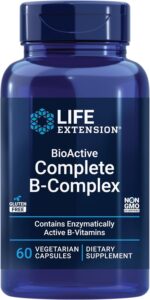
Life Extension BioActive Complete B…
You need your “Bs” to stay healthy. Your body uses all 8 B vitamins in different…

NatureWise Vitamin D3 10,000 IU Plu…
Our Vitamin D3 10,000 IU + K2 200 mcg Softgels are designed to deliver important nutrients…
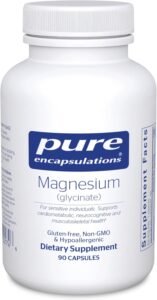
Pure Encapsulations Magnesium (Glyc…
Product description Add to Cart Add to Cart Add to Cart Add to Cart Customer Reviews…
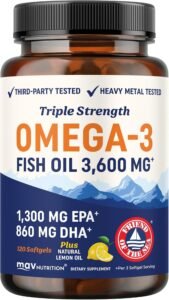
Triple Strength Omega 3 Fish Oil 36…
Product description Omega Essential Fatty Acids Add to Cart Add to Cart Add to Cart Add…