
How to Build an Effective Daily Oral Care Routine
Good oral health starts with a consistent, practical routine you can follow every day. A focused daily plan reduces cavities, protects gums, and helps your breath stay fresh — and it doesn’t have to take more than a few minutes.
If you’re pregnant or think you might be, early detection and attention to oral changes matter because hormones can change gum sensitivity; consider talking to your care team and, if needed, confirm pregnancy with a reliable Pregnancy Tests option before adjusting supplements or dental treatments.
Brush and floss effectively
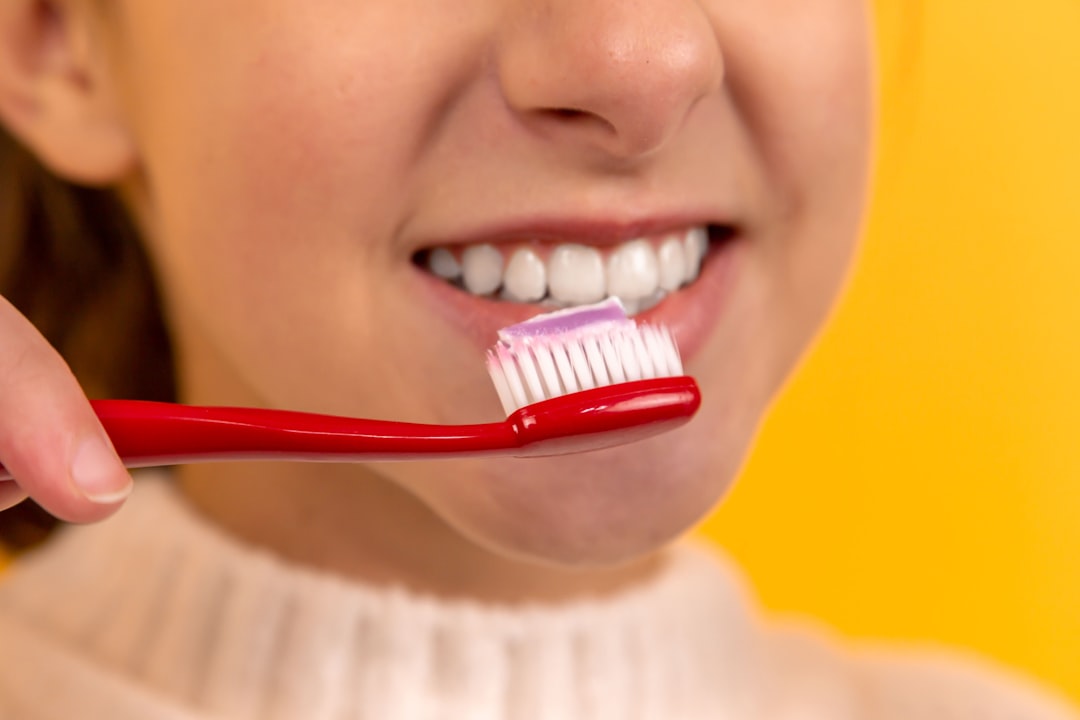
Spend two minutes brushing twice a day with a soft-bristled brush and fluoride toothpaste. Use gentle, circular motions along the gumline and on chewing surfaces. Replace your brush every 3 months or sooner if bristles splay.
Floss once daily. Slide the floss up and down each tooth, curve it around the base of the tooth to reach slightly under the gumline, and use a clean section of floss for each tooth. If regular floss is difficult, try floss picks or interdental brushes for tight spaces.
Choose the right tools
Electric toothbrushes with timers can improve technique and consistency. Choose fluoride toothpaste appropriate to your needs (sensitivity, whitening, or cavity protection). Keep a tongue scraper or brush part of your routine to remove biofilm and reduce bad breath.
Support the mouth microbiome
Rinses and mouthwashes can reduce bacteria, but overuse of strong antiseptics can disrupt the oral microbiome. A balanced microbial community helps prevent bad breath and gum disease; for some people, targeted support with oral and gut-friendly products can help maintain balance. Consider exploring Probiotic Supplements that support oral and digestive microbial health, and discuss options with your dentist or primary care provider.
Protect and strengthen your gums
Gum health is central to overall oral health. Gentle brushing, daily interdental cleaning, and routine dental check-ups prevent gingivitis and periodontitis. Some nutrients play a supportive role in gum repair and resilience; for example, CoQ10 is studied for gingival support and can be considered as part of a broader plan. One formulation to discuss with your clinician is Life Extension AmpliQ CoQ10, which some people use to support gum health alongside standard oral care.
Eat for oral health: reduce inflammation
Your diet influences oral tissues. Foods rich in omega-3 fatty acids, like oily fish, walnuts, and flaxseeds, help manage inflammation and support gum health. If dietary intake is low, consider quality sources of omega-3 as part of your overall health approach; see options under Omega 3 and Fish Oil to discuss with your provider.
Key vitamins and minerals: zinc for healing
Zinc supports tissue repair and immune function and can be beneficial in managing mouth sores or slow-healing issues. If your diet lacks zinc-rich foods (meat, beans, nuts), short-term supplementation may help; review options such as Zinc Supplements with your healthcare professional before starting.
When deficiency shows in the mouth: iron and oral signs
Iron deficiency can cause oral symptoms like a smooth, sore tongue (atrophic glossitis) or recurrent mouth ulcers. If you notice persistent oral changes, fatigue, or unusual pallor, discuss testing. Gentle oral care remains important while addressing nutrient gaps; learn about supportive choices under Iron Supplements if advised by a clinician.
Oral care during pregnancy
Pregnancy changes hormones and blood flow, often increasing gum sensitivity and inflammation (“pregnancy gingivitis”). Maintain your regular brushing and flossing, attend dental visits, and prioritize gentle, consistent care. Many dental professionals recommend prenatal nutrient support for overall maternal health; consider discussing Prenatal Vitamins with your obstetric team to ensure nutrient needs are met safely during pregnancy.
After birth and breastfeeding: continuing care
Postpartum life is busy, and nutrition needs shift during breastfeeding. Adequate nutrient intake supports recovery and oral tissue health. If you’re breastfeeding, look into postpartum formulations designed for lactation support as part of a plan to stay nourished and maintain oral health — for example, review Postnatal Vitamins and consult your care provider about safe use while nursing.
When to see your dentist or doctor
Schedule dental check-ups every 6–12 months, or sooner if you have symptoms like persistent bleeding, loose teeth, constant bad breath, or new ulcers. If oral symptoms coincide with systemic signs (fatigue, hair loss, unusual bruising), see your primary care provider to evaluate for nutrient deficiencies or other conditions that can affect oral tissues.
Daily oral care checklist
- Brush twice daily for two minutes with fluoride toothpaste.
- Floss or use interdental cleaners once a day.
- Clean your tongue with a scraper or brush each morning.
- Limit sugary snacks and rinse with water after sweet foods.
- Eat anti-inflammatory foods (omega-3s, vegetables, whole grains).
- Replace your toothbrush every 3 months.
- Keep regular dental visits and report any persistent changes.
FAQ
- How long should I brush? Brush for two minutes, twice a day. Use a timer or an electric toothbrush with a built-in timer.
- Is mouthwash necessary? Not always. Use alcohol-free fluoride mouthwash if recommended for cavity prevention, and avoid overusing strong antiseptics that can disturb the oral microbiome.
- Can supplements improve gum health? Some supplements (omega-3s, zinc, CoQ10) can support oral tissue health as part of a balanced approach, but they do not replace brushing, flossing, or professional care.
- What should I do if my gums bleed? Bleeding gums often indicate inflammation. Improve cleaning technique, floss daily, and see a dentist if bleeding persists despite good home care.
- Are electric brushes better than manual? Electric brushes often improve plaque removal and make it easier to brush for the full two minutes, but a manual brush used correctly is also effective.
Conclusion
Build a simple, consistent routine: effective brushing and interdental cleaning, attention to tongue hygiene, an anti-inflammatory diet, and timely dental visits. If you have special needs—pregnancy, nutrient concerns, or persistent oral symptoms—talk to your healthcare team about appropriate testing and safe supplement options. Small daily habits add up to lasting oral health.
Products Featured in This Article
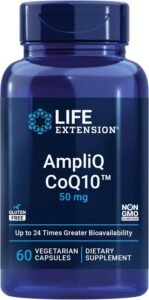
Life Extension AmpliQ CoQ10, Heart …
Meet AmpliQ CoQ10™: our most advanced CoQ10 formula ever. CoQ10 supports heart and cellular energy, helps…