
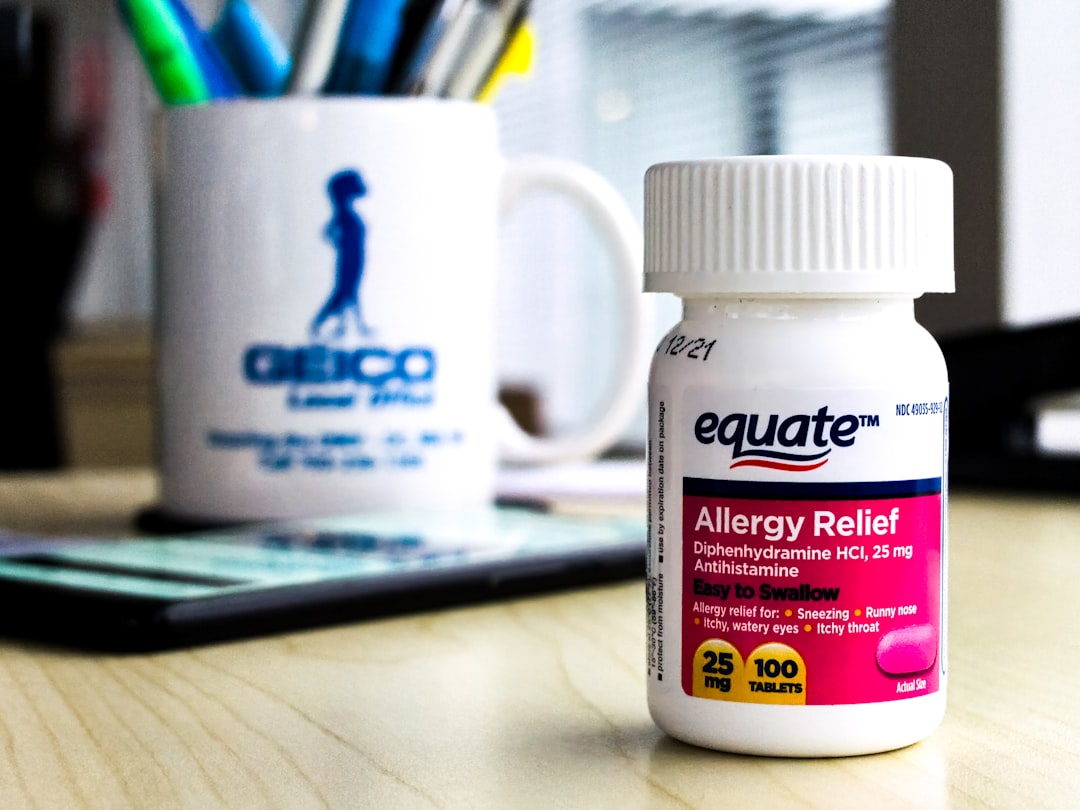
Tips for Managing Seasonal Allergy Triggers at Home
Seasonal allergies can make time at home feel less restful. With a few focused changes to your living space and daily routine, you can reduce common triggers like pollen, dust mites, mold, and pet dander and stay more comfortable through peak allergy seasons.
These tips are practical and easy to implement immediately—small habits and targeted controls often produce the biggest improvements. If you need supplies or want to browse allergy-friendly products, start at EvePharmacy to see options relevant to home health and seasonal care.
Identify and prioritize your top triggers
Start by tracking when symptoms are worst: outdoors after yard work, first thing in the morning, or after vacuuming. Pollen, dust mites, mold, and pet dander are the most common household culprits. Knowing which trigger affects you most helps prioritize actions (for example, closing windows when pollen counts are high versus replacing mattresses for dust-mite control).
Keep pollen out of the home
On high pollen days, keep windows and doors closed during the early morning and late afternoon when counts peak. Use a door mat and ask family members to remove shoes at the door; pollen collects on footwear and can spread through carpeting and rugs. When you return from being outdoors, change clothes and rinse hair if you have significant exposure.
Improve air filtration and circulation
High-efficiency HVAC filters and portable HEPA air purifiers reduce airborne particles indoors. Run exhaust fans in the kitchen and bathroom and replace HVAC filters on schedule; skip window fans and open windows only when pollen counts are low. For best results, choose purifiers sized for the room and place them where you spend the most time (bedrooms and living rooms).
Clean smart to reduce dust mites and mold
Targeted cleaning beats excessive scrubbing. Wash bedding weekly in hot water, encase mattresses and pillows in allergen-proof covers, and choose washable window coverings. Vacuum with a HEPA-filter vacuum and dust with a damp cloth to capture particles rather than send them into the air. For bathrooms, control humidity and fix leaks quickly to prevent mold growth.
Manage pet dander without rehoming
If you can’t remove a pet, create pet-free zones—especially bedrooms. Bathe and brush pets regularly (outside when possible) and wash pet bedding often. Use hard floors instead of carpets where feasible, and clean upholstered furniture with a vacuum that has a HEPA filter.
Diet and supplements that may support symptom control
Nutrition and targeted supplements can help reduce inflammation and support immune balance. Evidence varies by nutrient, but some people find relief from including probiotic-rich foods and supplements as part of a broader approach. Browse options under Probiotic Supplements for products that support gut and immune health, which can influence inflammatory responses.
If you prefer a ready-to-buy probiotic, consider clinically formulated products such as Physician’s CHOICE Probiotics as one example available through our selection. Always check labels for strain diversity and CFU count, and discuss new supplements with your healthcare provider if you take other medications or have chronic conditions.
Anti-inflammatory nutrients: Omega-3s and more
Omega-3 fatty acids can help reduce systemic inflammation, which may ease allergy symptoms for some people. You can find category options at Omega 3 and Fish Oil, and concentrated, high‑EPA/DHA products like Triple Strength Omega 3 Fish Oil may be considered if dietary intake is low. Incorporate fatty fish, walnuts, and flaxseed into meals as well.
Minerals and vitamins to consider
Zinc plays a role in immune function and wound healing; when intake is insufficient, supplementation can help restore normal levels. Explore choices at Zinc Supplements if your diet may be lacking. Vitamin D also influences immune responses—for those with low vitamin D, supplementation can be helpful; a widely available option is NatureWise Vitamin D3 10,000 IU Plus K2. Check blood levels with your clinician before starting high-dose vitamin D.
Sleep, stress, and recovery: why magnesium helps
Poor sleep and high stress sensitize the body to inflammation and can worsen allergy symptoms. Magnesium supports sleep quality and muscle relaxation for many people; if you experience sleep disruption from allergies, consider options in the Magnesium Supplements category as part of a broader sleep strategy (trigger control, evening routine, and a cool, dark bedroom).
Practical household checklist
- Close windows on high-pollen days; shower and change clothes after outdoor exposure.
- Use HEPA-rated vacuums and air purifiers sized for your rooms; replace HVAC filters regularly.
- Wash bedding weekly in hot water; use allergen-proof mattress and pillow covers.
- Control indoor humidity to 40–50% to limit dust mites and mold.
- Create pet-free bedrooms and clean pet bedding frequently.
- Consider dietary steps and targeted supplements (probiotics, omega‑3s, zinc, vitamin D, magnesium) after discussing with a healthcare provider.
FAQ
- Can closing windows completely stop pollen from entering?
Closing windows greatly reduces pollen entry but won’t eliminate it completely; combine with doormats, shoe removal, and air filtration for best results.
- Are air purifiers worth the cost?
HEPA air purifiers reduce airborne allergens in occupied rooms and are especially useful in bedrooms. Choose one rated for the room size and change filters as recommended.
- Which supplements help seasonal allergies?
No supplement cures allergies, but some people benefit from supportive nutrients such as probiotics, omega‑3s, zinc, vitamin D, and magnesium. Talk to your clinician about which—if any—are appropriate for you.
- How often should I wash bedding to control dust mites?
Wash sheets, pillowcases, and any washable bedding weekly in hot water (130°F/54°C) or use allergen-reducing wash cycles and encasements to lower mite exposure.
- Do pets make allergies worse even if they are groomed regularly?
Grooming reduces loose dander but doesn’t remove all allergens. Creating pet-free zones and frequent cleaning are effective complementary steps.
Conclusion
Managing seasonal allergy triggers at home is about layered strategies: seal and filter the air, clean smart, control humidity, and support your body through diet and targeted supplements. Start with the checklist above and make one change at a time—consistent small steps often produce noticeable relief.
Products Featured in This Article

NatureWise Vitamin D3 10,000 IU Plu…
Our Vitamin D3 10,000 IU + K2 200 mcg Softgels are designed to deliver important nutrients…

Physician’s CHOICE Probiotics…
Product description 1 Trust your gut 2 How to use Product Dimensions : 4.5…