

How to Create a Healthier and More Consistent Sleep Routine
Good sleep is one of the most effective, low-cost ways to protect your health, mood, and performance. Building a reliable sleep routine takes more than willpower: it requires environmental tweaks, consistent timing, mindful habits, and sometimes targeted nutritional support.
If you want a practical plan you can start tonight, this guide breaks the process into clear steps and points you to useful options available from EvePharmacy when you need supplements or specialty products to support your routine.
1. Prioritize a consistent sleep window
Your body’s sleep-wake cycle responds best to regularity. Choose a bedtime and wake time you can keep at least five to seven days per week, and move both times by 15–30 minutes when you need to adjust.
Practical tip: set a gentle alarm 60–90 minutes before bed to start your wind-down routine—use that time for low-stimulation activities only.
2. Design a calm, sleep-friendly bedroom
Your environment should support falling and staying asleep. Aim for cool (about 60–67°F / 15–20°C), dark, and quiet. Block light with blackout curtains or an eye mask, minimize noise with soft furnishings or a white-noise machine, and keep clutter out of the bedroom to lower mental activation at bedtime.
Also check mattress and pillow comfort: a comfortable surface reduces wake-ups and toss-turn cycles.
3. Build a predictable evening routine
Consistent pre-sleep cues tell your brain it’s time to shift into rest. A practical 30–60 minute routine might include dimming lights, finishing caffeine and large meals earlier, gentle stretching or yoga, 10–20 minutes of reading, and relaxation breathing.
Limit screens in the last hour when possible; if you must use them, use low-brightness and blue-light filters. Consider a short guided relaxation or progressive muscle relaxation to accelerate the transition.
4. Mind your daytime habits: light, movement, and timing
Daylight exposure and daytime activity anchor your circadian rhythm. Get 20–30 minutes of natural light soon after waking and exercise most days (ideally earlier in the day).
Avoid vigorous late-evening workouts and heavy meals close to bedtime; instead, aim to finish eating 2–3 hours before sleep. For targeted nutritional support that can influence mood and day–night rhythms, consider including healthy fats like omega-3s in your diet or supplement regimen—Omega 3 and Fish Oil can support brain health and inflammation management, which indirectly helps sleep quality.
5. Supplements and nutrients that often help
Supplements are not magic, but some nutrients support the physiological processes behind sleep and relaxation. Magnesium plays a role in nervous system regulation and can reduce nighttime restlessness for many people—consider a highly absorbable option such as Pure Encapsulations Magnesium (Glycinate) if you’re evaluating magnesium.
6. Gut health, regularity, and sleep
Emerging research links gut health with sleep quality via the gut-brain axis. Chronic digestive issues, bloating, or irregular bowel habits can disrupt sleep. If you suspect your gut is affecting rest, a targeted approach to support the microbiome may help—look into Probiotic Supplements and dietary fiber as part of a broader plan.
7. Manage specific issues: menopause, iron deficiency, and more
Certain life stages and conditions require tailored strategies. For people experiencing night sweats or sleep disruption related to perimenopause/menopause, symptom-focused supplements may reduce hot flashes and improve sleep continuity—options like Stonehenge Health Menopause Support are formulated for those symptoms and can be discussed with a clinician.
Restless legs, heavy snoring, and persistent daytime sleepiness often have reversible contributors. Low iron stores can cause restless leg symptoms; if that’s relevant, evaluate and consider Iron Supplements under medical guidance.
8. Daytime energy and circadian support
Good daytime energy supports better sleep at night. If you feel low in energy despite good sleep habits, nutrients that support mitochondrial and cellular energy can help some people stay alert during the day and sleep better at night. Explore options such as CoQ10 Supplements when working with a healthcare provider on a daytime energy plan.
9. Troubleshooting: when habit changes don’t work
If you’ve built a consistent routine but still struggle with sleep, track key variables for two weeks: bedtime, wake time, caffeine intake, alcohol, exercise timing, mood, and sleep quality. Patterns emerge quickly—late caffeine, evening alcohol, or inconsistent wake times are common culprits.
If tracking shows persistent issues, stepwise evaluation is appropriate: review medications, screen for anxiety/depression, assess for sleep apnea or periodic limb movements, and test iron status or other nutrient gaps. Zinc status also affects immune and metabolic processes—if you suspect nutrient imbalance, consider testing and, if indicated, Zinc Supplements as part of an evidence-based plan.
Quick checklist: nightly routine essentials
- Same bedtime and wake time most days
- Dim lights 30–60 minutes before bed
- Finish caffeine 6–8 hours before sleep
- Keep bedroom cool, dark, and quiet
- Limit screens; use blue-light filters if needed
- Consider magnesium for relaxation and probiotics for gut-sleep balance
- Track sleep for 2 weeks if problems persist
FAQ
- How long until a new sleep routine helps?
Most people see measurable improvement within 2–4 weeks of consistent timing and environment changes; full circadian adjustment can take longer if you’re shifting several hours. - Can supplements replace good sleep habits?
No—supplements are supportive. Basic habits (schedule, light exposure, environment, caffeine/alcohol timing) are the foundation. - Is daytime napping OK?
Short naps (20–30 minutes) can boost alertness without harming nighttime sleep for many people; avoid long or late naps if they disrupt your main sleep. - When should I see a clinician or sleep specialist?
If you have excessive daytime sleepiness, loud daytime or nighttime breathing pauses, frequent awakenings, or suspected restless legs that interfere with function, consult a healthcare provider for testing and targeted treatment. - Are probiotics really helpful for sleep?
Gut-sleep research is evolving. For people with digestive symptoms or irregularity, targeted probiotic support alongside diet changes can reduce symptom burden and indirectly improve sleep for some individuals; results vary.
Small, consistent changes yield the biggest improvements. Pick one habit from the checklist tonight—set a fixed wake time or dim lights earlier—and add another each week. If nutrient gaps or life-stage symptoms are complicating sleep, consider focused products like Probiotic Supplements, tailored menopause support, or mineral supplementation in coordination with your clinician. Better sleep is built step by step—start with one reliable change and keep it consistent.
Products Featured in This Article
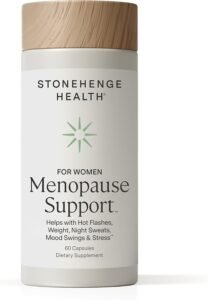
Stonehenge Health Menopause Support…
Product description Package Dimensions : 4.41 x 2.24 x 2.24 inches; 2.4 ounces Item…

Pure Encapsulations Magnesium (Glyc…
Product description Add to Cart Add to Cart Add to Cart Add to Cart Customer Reviews…