
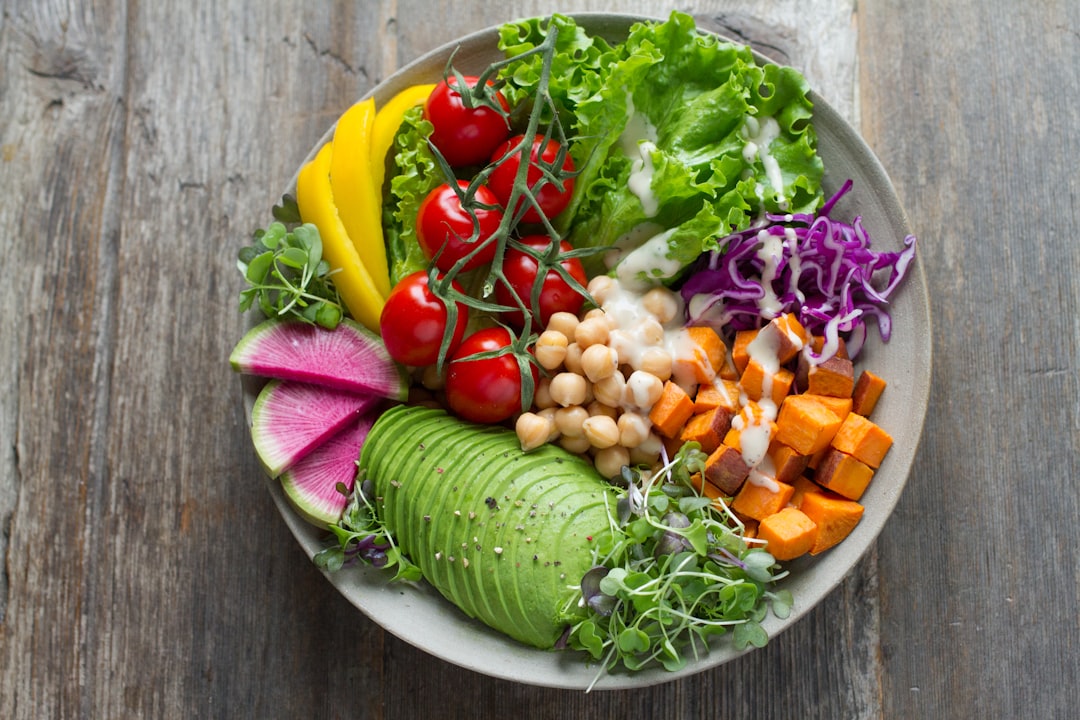
Good digestion is the foundation of daily comfort, steady energy, and effective nutrient absorption. Small, consistent habits make a measurable difference—no drastic diets or complicated regimens required.
This guide gives clear, practical steps you can use every day to support your digestive system, plus sensible supplement options when diet alone isn’t enough.
1. Prioritize daily fiber
Fiber helps keep bowel movements regular, feeds beneficial gut bacteria, and supports stable blood sugar. Aim for a mix of soluble (oats, beans, psyllium) and insoluble (whole grains, vegetables) fiber spread through the day. If you struggle to meet targets from food, a gentle prebiotic fiber can help bridge the gap—consider Tomorrow’s Nutrition Sunfiber prebiotic fiber for a low-FODMAP, unflavored option that mixes easily into drinks and meals.
2. Support your microbiome with probiotics
Regularly introducing beneficial strains can reduce bloating and support recovery after antibiotics or a stomach bug. Look for multi-strain products with clinically studied dose ranges and storage instructions that fit your lifestyle. For a high-potency, broad-spectrum product targeted at digestive balance, see Physician’s CHOICE Probiotics.
3. Include healthy fats to aid digestion
Dietary fats help your body absorb fat-soluble vitamins and support gut motility. Prioritize sources like fatty fish, olive oil, nuts, and seeds. If your diet is low in oily fish, a concentrated omega-3 supplement can be useful—especially for people who find it hard to eat fish regularly. A high-quality option is Triple Strength Omega 3 Fish Oil.
4. Hydration, movement and meal timing
Water softens stool and supports digestion—sip consistently rather than drinking large amounts only at meals. Regular physical activity, even short walks after eating, stimulates gut motility and reduces bloating. Keep meal sizes moderate and allow 2–3 hours between a large meal and intense exercise to avoid discomfort. These simple daily practices often reduce reliance on quick fixes.
5. Manage stress and prioritize restorative sleep
Chronic stress and poor sleep alter gut motility, increase sensitivity, and change microbial balance. Practices like brief breathing exercises, consistent sleep schedules, and limiting screens before bed improve both sleep and digestion. When stress or sleep issues persist, magnesium glycinate is a gentle supplement many people use to support relaxation and regularity; consider Pure Encapsulations Magnesium Glycinate as an option to discuss with your healthcare provider.
6. Use targeted micronutrients wisely
Some vitamins and minerals influence digestion and gut health indirectly. Zinc plays a role in immune function and mucosal repair; if your diet is limited, browse suitable Zinc Supplements. Iron supports energy but can worsen constipation for some—gentle, food-based options such as NATURELO Vegan Iron Supplement may be better tolerated; coordinate iron use with a clinician if you have ongoing digestive symptoms. For general cellular energy that supports healthy organ function, including the gut, Life Extension AmpliQ CoQ10 is an option to consider.
7. Protect the gut lining and support repair
Dietary choices like collagen-containing bone broth, gelatin, and certain supplements can provide amino acids that support tissue repair and the protective mucus layer. If you’re interested in supplemental collagen to support gut lining and overall tissue health, Dr. Emil Multi Collagen offers a multi-type hydrolyzed formula that fits into a routine approach to gut-supportive nutrition.
8. Mindful eating and trigger tracking
Eat slowly, chew thoroughly, and note foods that consistently cause gas, bloating, or discomfort. Keep a short food-and-symptom log for 1–2 weeks to identify patterns—this can reveal simple fixes like reducing portions of high-FODMAP foods, switching dairy types, or spacing out high-fiber meals. Small changes based on careful tracking are more sustainable than broad elimination diets.
- Daily: add one extra serving of vegetables or whole grains.
- Weekly: include two servings of oily fish or take an omega-3 supplement.
- Nightly: practice a 10–20 minute bedtime wind-down to support sleep.
- When needed: use a gentle fiber or probiotic supplement consistent with symptoms.
FAQ
Q: How quickly will I notice improvement after changing diet or using supplements?
A: Some people notice changes in bowel regularity within a few days of increasing fiber or water; microbial shifts and symptom changes from probiotics or dietary adjustments often take 2–8 weeks. Track changes and adjust gradually.
Q: Can probiotics make symptoms worse at first?
A: Mild increases in gas or bloating are common when starting probiotics as the microbiome adjusts. Start with a lower dose and increase over several days if needed. If severe or persistent, pause and discuss with your clinician.
Q: Should everyone take fiber and probiotic supplements?
A: Most people benefit first from dietary fiber and fermented foods; supplements can help when intake is insufficient or during recovery from antibiotics. Choose formulations tailored to your symptom pattern and check with a clinician if you have a serious condition.
Q: Are there supplements that commonly worsen digestion?
A: High-dose iron can cause constipation or nausea in some people; certain magnesium forms may be laxative in large doses. Start supplements at recommended doses and monitor effects.
Q: When should I see a healthcare professional?
A: Seek care if you have unintentional weight loss, persistent severe pain, blood in stool, fever, or symptoms that don’t improve with basic interventions. These signs need medical evaluation.
Small changes add up: boost fiber, support beneficial bacteria, prioritize hydration and movement, and use targeted supplements only as needed. Keep a simple tracking habit for two weeks to see what helps most—then build those habits into your daily routine for steadier, more comfortable digestion.
Products Featured in This Article

Pure Encapsulations Magnesium (Glyc…
Product description Add to Cart Add to Cart Add to Cart Add to Cart Customer Reviews…
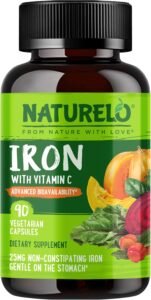
NATURELO Vegan Iron Supplement with…
Product description NATURELO has a unique approach to formulating our supplements — we always use the…
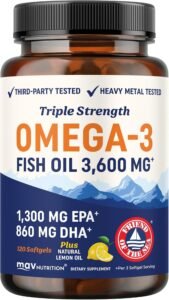
Triple Strength Omega 3 Fish Oil 36…
Product description Omega Essential Fatty Acids Add to Cart Add to Cart Add to Cart Add…
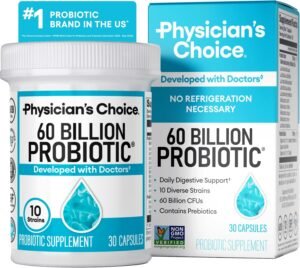
Physician’s CHOICE Probiotics…
Product description 1 Trust your gut 2 How to use Product Dimensions : 4.5…
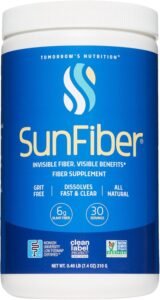
Tomorrow’s Nutrition, Sunfibe…
Product description 1 No Taste, Odor or Grit 2 How to Use 3 Suggestions 4 Certifications…
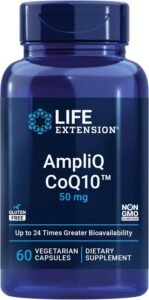
Life Extension AmpliQ CoQ10, Heart …
Meet AmpliQ CoQ10™: our most advanced CoQ10 formula ever. CoQ10 supports heart and cellular energy, helps…
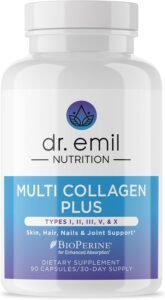
Dr. Emil Nutrition Multi Collagen &…
Product description Product Dimensions : 4.29 x 2.13 x 2.09 inches; 2.08 ounces Item…