

How to Care for Minor Cuts, Scrapes, and Everyday Wounds
Minor cuts and scrapes are a part of everyday life — from kitchen nicks to playground tumbles. Knowing safe, simple steps for initial care helps reduce infection risk, speed healing, and minimize scarring.
This guide gives practical, evidence-based tips for immediate first aid, wound cleaning, dressings, and nutrition that supports repair. Keep these steps handy so you can act confidently when small injuries happen.
Immediate first aid: stay calm and start clean
As soon as a cut happens, stop what’s causing further injury and wash your hands. Clean hands reduce contamination risk. Use a mild, fragrance-free soap and water to clean both hands and the area around the wound — plain Bar Soap is often fine for this purpose. Avoid touching the wound with dirty cloths or unwashed fingers.
Control bleeding quickly and safely
Most minor cuts stop bleeding with direct pressure. Apply a clean cloth or sterile gauze and hold firm pressure for several minutes; don’t keep checking — sustained pressure is key. Elevate the limb above heart level if possible. For small shaving nicks, gentle pressure often works and specific products for post-shave care can soothe the area — consider dedicated Aftershave Care items if the injury is from shaving.
Cleaning the wound: gentle irrigation, not harsh chemicals
Once bleeding is controlled, rinse the cut under running tap water to remove dirt and debris. Use gentle irrigation — a steady stream of water and clean cloths or tweezers sterilized with alcohol (if needed) will work. Avoid routine use of hydrogen peroxide or alcohol directly in the wound; they can delay healing. After cleaning, pat the area dry with a clean towel and inspect for embedded debris that may need professional removal.
Keep the wound moist and covered
After cleaning, apply a thin layer of an appropriate ointment to protect the wound and keep it from drying out. A non-irritating occlusive, like Petroleum Jelly, helps maintain a moist environment that supports faster tissue repair and reduces scab-related scarring. Cover with a sterile adhesive bandage or gauze pad, and change the dressing daily or whenever it becomes wet or dirty.
When to change dressings and how to do it
Change dressings at least once a day and assess the wound each time. Wash your hands before and after dressing changes. Replace the ointment and apply a fresh, breathable dressing. For wounds on joints or hands, choose flexible, adhesive dressings that protect without restricting movement. If the wound reopens, re-clean and re-dress; persistent bleeding, increasing redness, spreading warmth, or fever are reasons to seek medical care.
Watch for infection — and support immune response
Signs of infection include increasing redness, swelling, pus, pain worsening after 48 hours, red streaks toward the heart, or fever. If any of these occur, see a healthcare professional. Nutrition and micronutrients support immune response during healing; many people consider supplementing when diets are weak. Zinc plays a role in immune function and tissue repair, and some find oral Zinc Supplements helpful as part of overall recovery strategies. Do not use supplements as a substitute for professional care when infection is suspected.
Nutrition and supplements that support wound healing
Good nutrition speeds repair. Vitamin C is essential for collagen synthesis and immune function, so aim to meet dietary needs through fruits, vegetables, and, when necessary, targeted Vitamin C Supplements. Protein intake matters because collagen and new tissue require amino acids. Some people use collagen products to support skin repair; hydrolyzed Collagen Supplements can provide additional peptides that support connective tissue formation when combined with a balanced diet.
Minimizing scarring and supporting healthy skin repair
To reduce scarring: keep wounds clean and moist, avoid picking scabs, protect healing skin from sun exposure, and manage inflammation. Certain nutrients help the skin rebuild; vitamin A supports cell growth and epithelialization, so appropriate intake matters — consider safe options like Vitamin A Supplements if dietary sources are inadequate, and discuss with a clinician first. Omega-3 fatty acids reduce excessive inflammation and can support overall skin health — Omega 3 and Fish Oil supplements are commonly used for that purpose as part of a broader nutrition plan.
Practical checklist
- Wash hands and control bleeding with direct pressure.
- Rinse wound with clean running water; remove debris if visible and safe to do so.
- Apply a thin layer of petroleum jelly and cover with a sterile bandage.
- Change dressing daily and watch for increasing redness, warmth, or pus.
- Support healing with a protein-rich diet and adequate vitamin C intake.
- Seek medical care for deep, heavily contaminated, or worsening wounds.
FAQ
-
Q: Can I use antiseptic creams like hydrogen peroxide or iodine?
A: Occasional cleansing with mild soap and water is preferred; hydrogen peroxide and undiluted iodine can damage healthy tissue and slow healing. Use them sparingly and only when recommended by a clinician.
-
Q: How long before a minor wound should be closed or sutured?
A: Clean, minor wounds that gape may need closure within 6–8 hours (sooner in the face). Seek prompt evaluation for deep or wide cuts, especially if bleeding won’t stop.
-
Q: Are topical antibiotics necessary?
A: For most clean minor wounds, routine topical antibiotics aren’t required if you keep the area clean and moist with an occlusive ointment. Use topical antibiotics only as directed and watch for allergic reactions.
-
Q: Can supplements replace a healthy diet for healing?
A: Supplements like vitamin C, zinc, collagen, and omega-3s can support healing when diet is inadequate, but they don’t replace whole-food nutrition. Discuss supplement use with a healthcare provider when in doubt.
-
Q: When should I get a tetanus shot?
A: Tetanus protection depends on your vaccination history and the wound type. Puncture wounds, deep cuts, or dirty wounds may require a tetanus booster if your last dose was more than 5–10 years ago. Check with a clinician for personalized advice.
Conclusion
Minor cuts and scrapes usually heal well with prompt, simple care: wash, control bleeding, clean gently, keep the wound moist and covered, and support healing with good nutrition. Watch for signs of infection and seek medical attention when wounds are deep, won’t stop bleeding, or show worsening symptoms. Practical, calm action at the moment of injury makes a big difference in recovery.
Products Featured in This Article
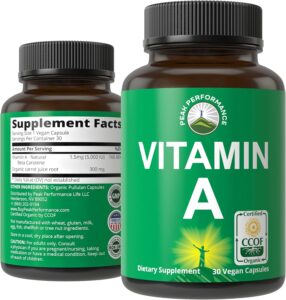
Certified Organic Vitamin A 5000 IU…
Product description WHAT DO WE STAND FOR? • POTENCY, QUALITY, AND PURITY • Proudly formulated and…