

A monthly home health checklist helps you stay prepared for everyday needs and small emergencies without scrambling for supplies. A short, systematic review of medicines, first-aid items, sleep aids, and personal care products prevents expired drugs, missing essentials, and unnecessary stress.
This guide gives clear, practical steps you can complete in 20–30 minutes each month. Use it as a working checklist and adapt items to your household’s specific needs.
Why a monthly check matters
People underestimate how quickly supplies run out or expire. Medications lose potency past their expiration date, adhesive bandages degrade, and seasonal needs (allergy meds, cold remedies) change. A monthly cadence keeps your kit relevant and reduces last-minute pharmacy runs.
Medicine cabinet basics: inventory and expiry
Start by emptying your medicine cabinet onto a clean surface. Check expiration dates on all prescription and over-the-counter items, including topical creams and eye drops. Replace anything that is expired or has a damaged container. For a one-stop browse of household health categories and replacement options, visit EvePharmacy.
Sort medicines into “keep,” “dispose,” and “replace soon.” For safe disposal, follow local guidelines: many communities offer medication take-back days or pharmacy drop-offs. Keep a small log (paper or digital) showing the item, purchase date, and expiration to speed future checks.
Monthly prescription and OTC review
Verify remaining refills on all prescriptions and update any dose or frequency changes with your provider. For OTCs, note which products your household reaches for most and ensure at least a two-week buffer supply on those items.
Check packaging: tablets that have softened, powders that clump, or liquids that change color likely need replacing. Keep prescriptions separate from everyday OTC items to avoid accidental mix-ups.
First aid & wound-care supplies
First-aid supplies should be obvious at a glance: bandages, antiseptic wipes, adhesive tape, sterile gauze, and a reliable kit for larger incidents. If your home kit needs an upgrade or you want a comprehensive replacement, consider a ready-made option like Complete First Aid Kits.
Keep specialized wound-care items on hand for post-surgery or chronic wound needs. A useful topical wound cleanser to restock is Vashe Wound Solution OTC | Pure Hyp… — store it where it’s easy to reach but away from direct sunlight.
Digestive, hydration & gut essentials
Stomach upsets and dehydration can happen anytime. Keep antacids, anti-diarrheal medicine, oral rehydration salts, and a basic gripe solution available. Replace any opened packets that show moisture or damage.
For travel, workouts, or mild dehydration from illness, a compact oral rehydration option such as TRIORAL Electrolyte Powder is an easy item to keep in your pantry for emergencies or active days.
Sleep and bedtime wellness essentials
Quality sleep supports recovery and daily functioning. Check current sleep aids and replace open packages as needed. If your household uses supplements like melatonin gummies, ensure labels are intact and note potency per dose. For a simple sleep supplement category to consider, see Melatonin Gummies.
Beyond supplements, assess sleep tools: eye masks, ear protection, and white-noise devices extend the benefit of sleep routines. A comfortable mask that blocks light can make a big difference—consider options in the Sleep Masks category if yours is worn or lost frequently.
Vision, ear care, and assistive supplies
Inspect eye-care items: eye drops, warm compresses, and reading glasses. Replace single-use products and discard any eye solutions past their expiration or showing discoloration. For reusable comfort and therapeutic relief, keep a few dry eye options in your kit such as Dry Eye Compresses.
If household members use hearing aids, verify batteries and cleaning supplies. Store spare batteries in an organized compartment and test hearing devices monthly to ensure they’re functioning properly.
Women’s health and personal-care items
Track personal-care monthly needs—menstrual products, intimate-care washes, and any specialized supplies. Keep a small emergency stash in common areas (bathroom or bedroom). For discrete restocking, check the Tampons category so you always have the right sizes and types on hand.
Storage, safety, and organization tips
Store medications in a cool, dry place out of direct sunlight and away from children and pets. Use clear bins or labeled drawers for quick visual inventory. Keep a small thermometer in your medicine storage area to ensure temperature-sensitive products remain within recommended ranges.
For households with young children or older adults, install childproof latches and consider a lockbox for controlled substances. Keep a printed copy of emergency contacts, allergies, and prescription lists near the kit and saved digitally for quick access.
Quick monthly checklist
- Scan expiration dates on all meds and dispose of expired items.
- Confirm prescription refills and update your medication list.
- Replace or top up bandages, antiseptic wipes, and gauze.
- Restock hydration and digestive aids (electrolytes, antacids).
- Check sleep aids and tools (supplements, mask, ear protection).
- Inspect eye and ear-care items; restock compresses and batteries.
- Top up personal-care supplies (tampons, sanitary items).
- Organize and label storage; verify emergency contact list.
FAQ
Q: How should I dispose of expired medications?
A: Follow local disposal programs or pharmacy take-back events. If no program is available, mix medicines with an undesirable substance in a sealed container and discard in household trash, after removing personal info from packaging.
Q: How long does unopened oral rehydration powder stay good?
A: Check the manufacturer’s expiration date. Store in a cool, dry place; once a packet is opened and mixed with water, consume promptly or discard.
Q: Can I store supplements in the bathroom medicine cabinet?
A: Bathrooms are humid; choose a cool, dry cabinet elsewhere to preserve potency. If only bathroom storage is available, keep items in sealed containers and away from direct steam.
Q: How often should I replace first-aid adhesive products?
A: Monthly visual checks are useful. Replace adhesive strips or tape that loses stickiness, and restock bandages used during the prior month to maintain a complete kit.
Q: What sleep aids are safe to keep on hand for short-term use?
A: Short-term sleep support often includes melatonin supplements and non-pharmacologic aids like masks and white-noise machines. Consult your healthcare provider for long-term sleep issues.
Conclusion
Set a recurring calendar reminder for a 20–30 minute monthly health check. Use the checklist above to build a compact, well-organized kit that matches your household needs. A little monthly maintenance prevents larger headaches later and ensures you’re ready for everyday bumps, sleepless nights, and small emergencies.
Products Featured in This Article
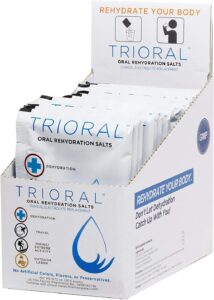
TRIORAL Electrolyte Powder Oral Reh…
Product description TRIORAL Oral Rehydration Salts • FAST REHYDRATION DRINK: Just mix one packet into one…

Vashe Wound Solution OTC | Pure Hyp…
Product description About Vashe Vashe Wound Solution OTC use is for the management of minor skin…